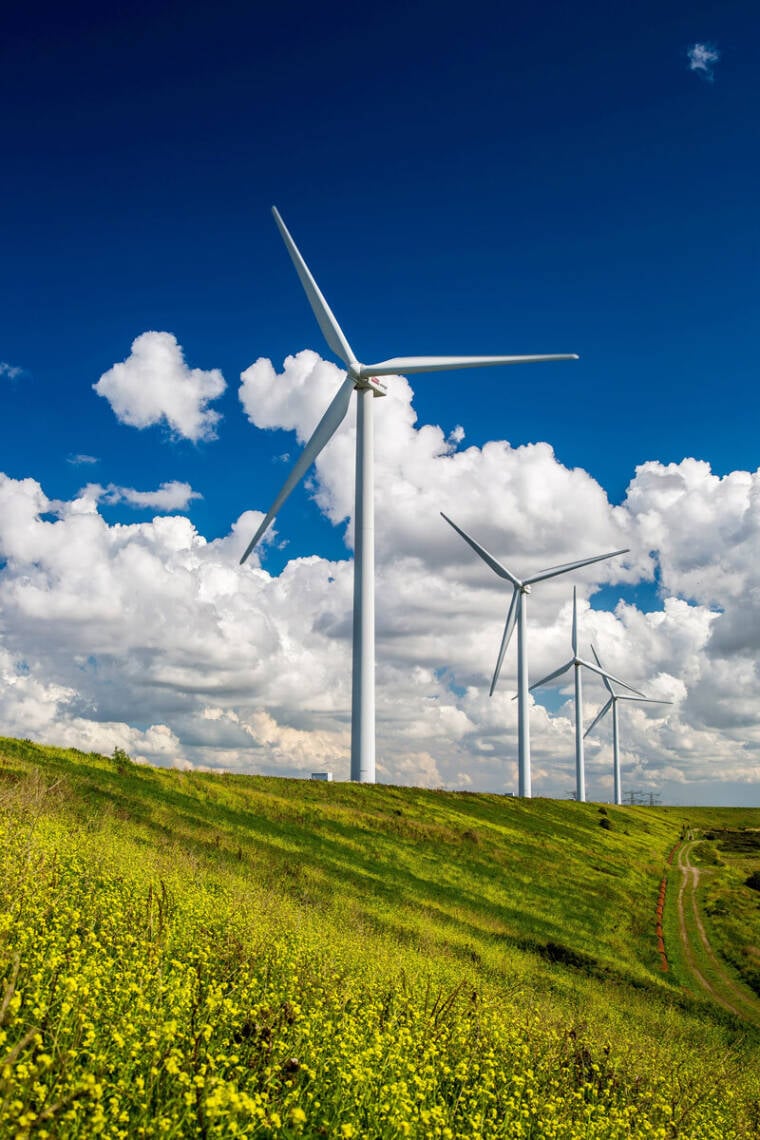
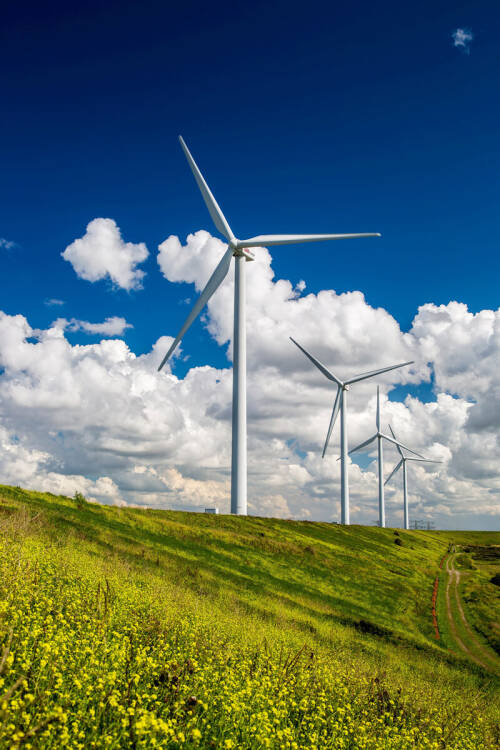
By 2050, the port and industry have no net negative impact on the climate. This aligns the port with the goals of the Paris Climate Agreement.
2050
CO₂ neutral port
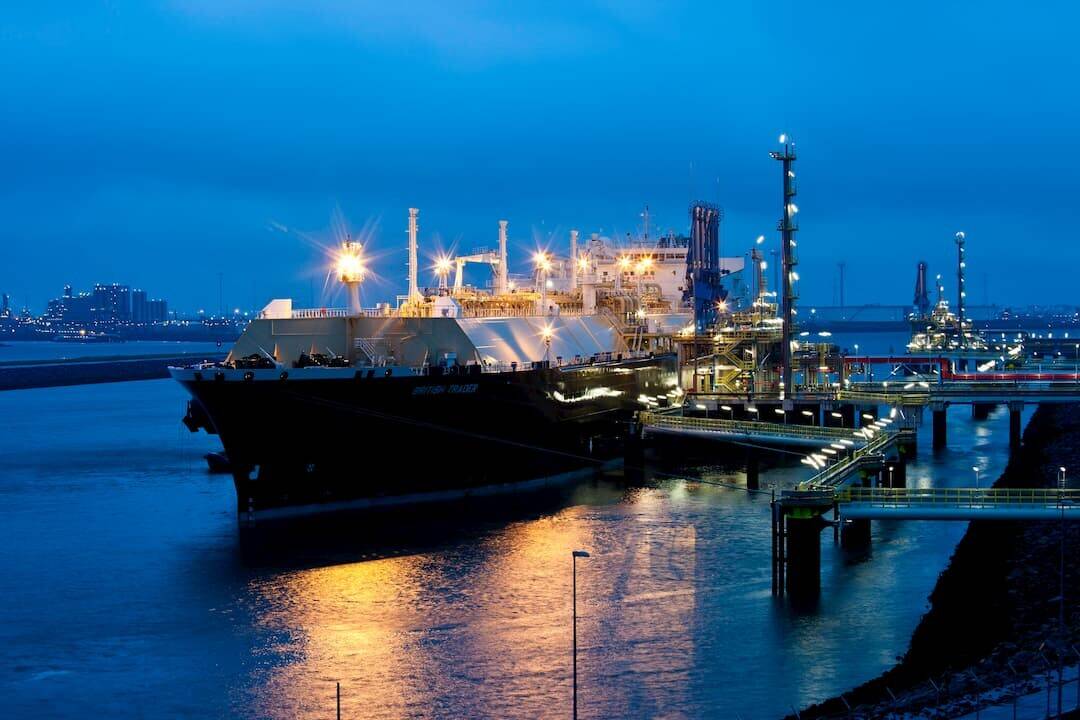
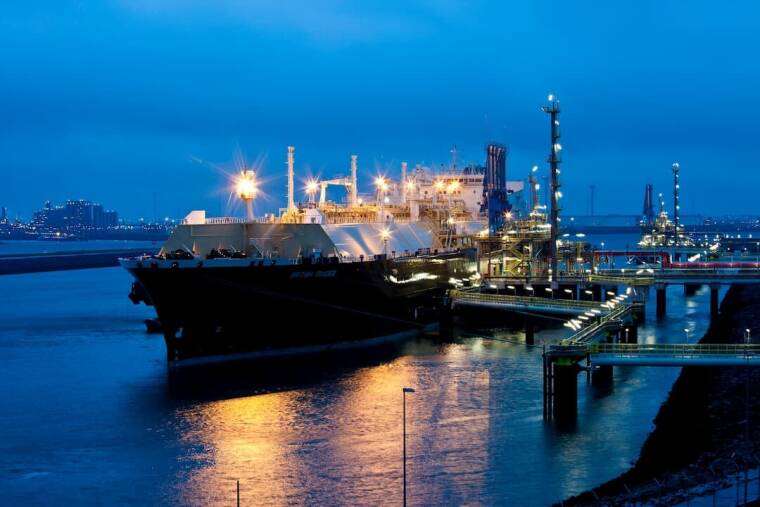
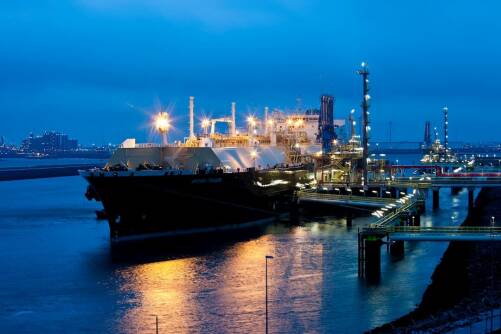
Shipping companies and skippers are increasingly looking for more sustainable alternatives and fuels. The LNG Gate terminal therefore opens in 2011. The British Trader is the first LNG vessel to arrive in Rotterdam in July.
2011
First LNG vessel in the port
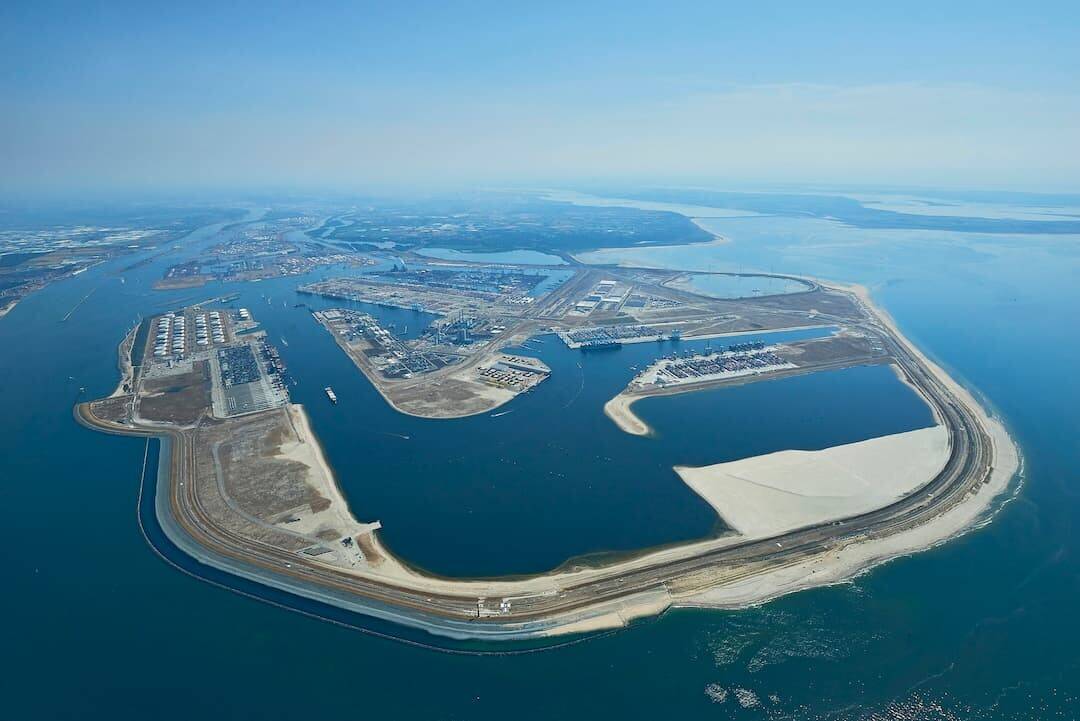
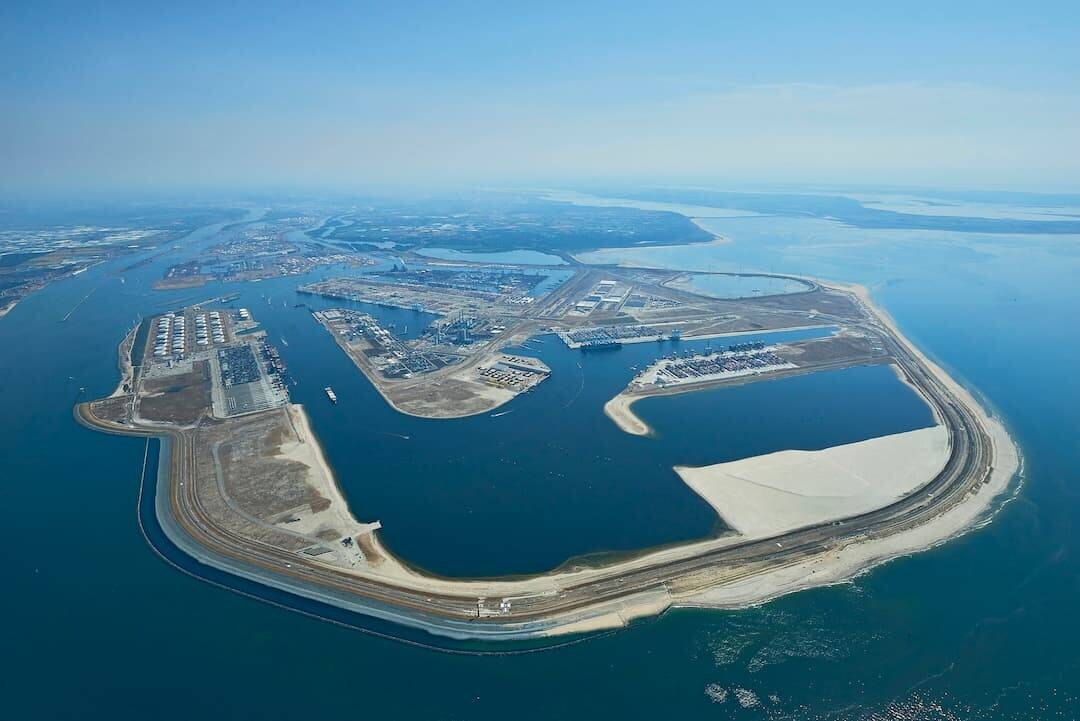
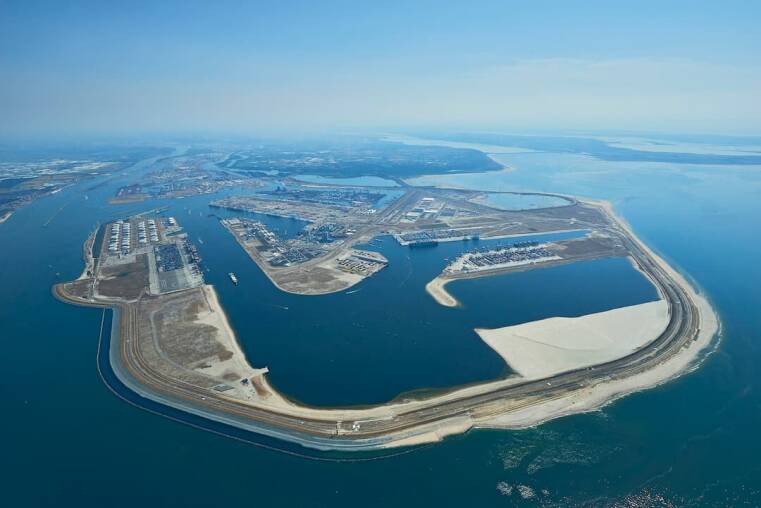
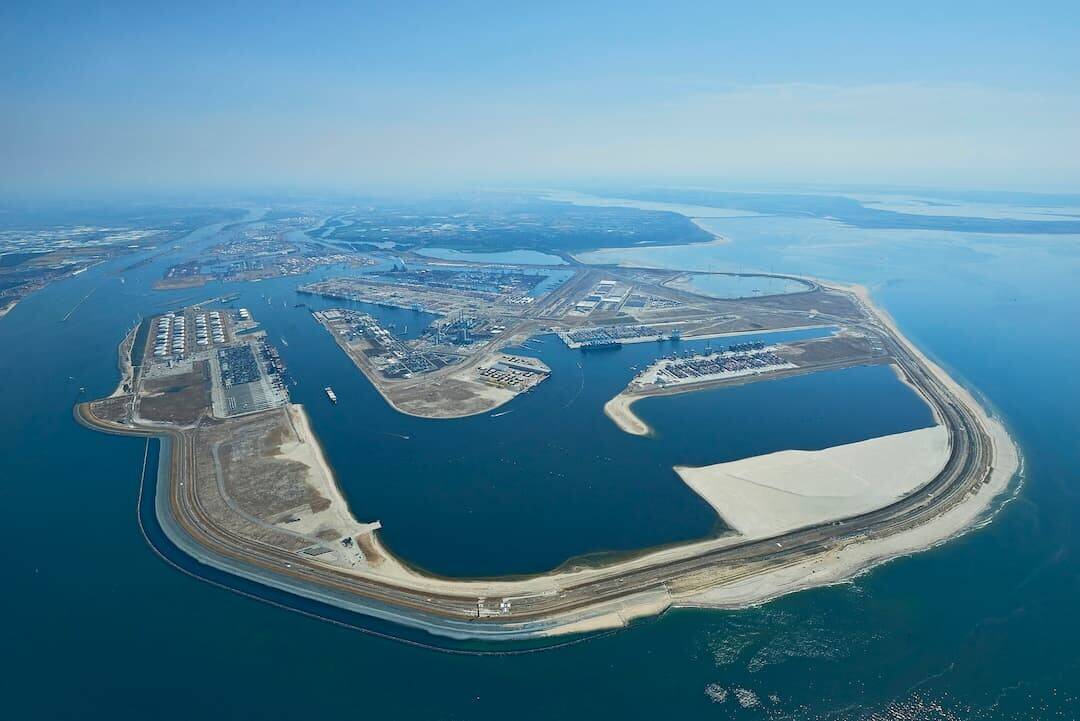
The growth of the port of Rotterdam continues with the official opening of Maasvlakte II in 2013. The construction increases the size of the Netherlands by around 2,000 hectares, extending the coastline by approximately 3.5 kilometres further out to sea in places.
2013
Maasvlakte II
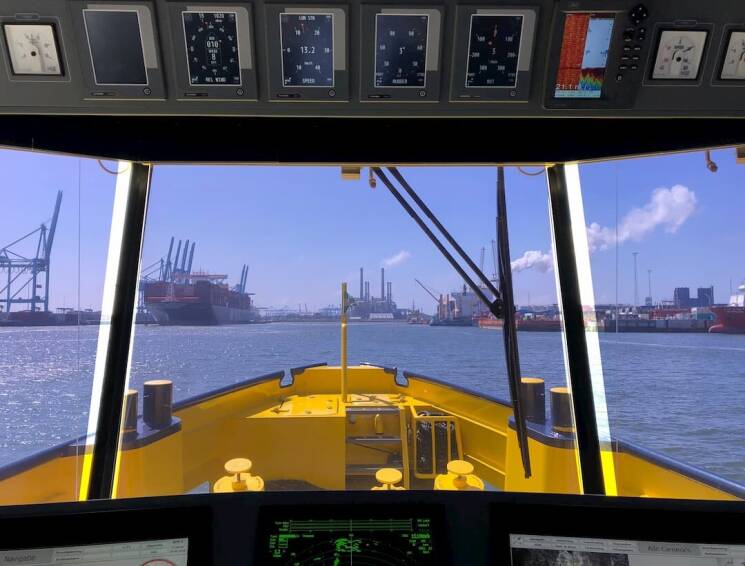
Three years after moving to the WPC, the Gemeentelijke Havenbedrijf (Municipal Port Authority) is corporatised and becomes the Havenbedrijf NV (Port of Rotterdam Authority). The municipality of Rotterdam has been the sole shareholder from the beginning; from 2006, the Dutch state also becomes a shareholder.
2004
Corporatisation of the Port of Rotterdam Authority
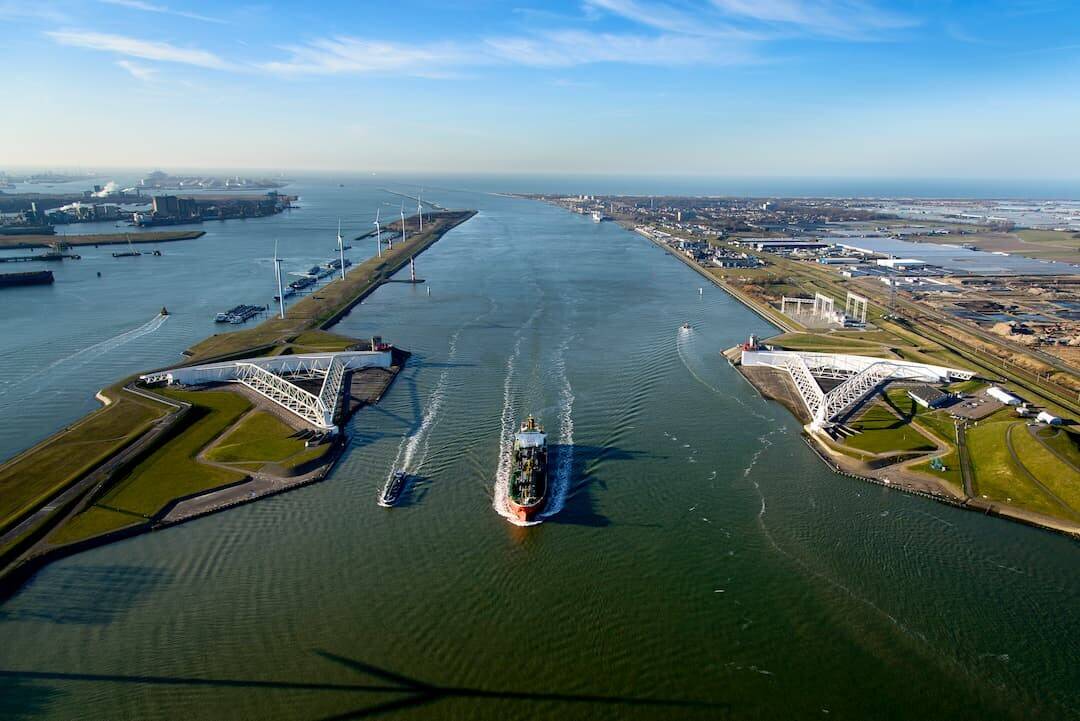
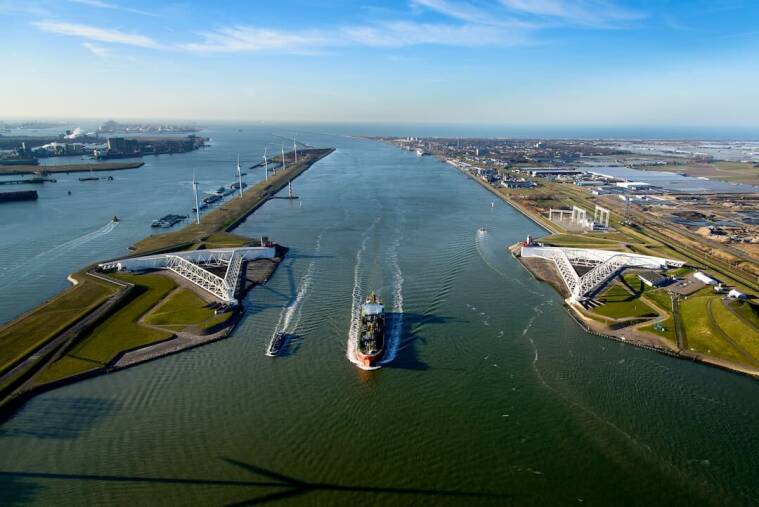
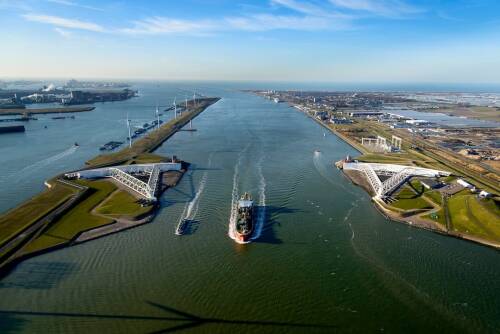
The port of Rotterdam is a seaport. So, in 1997, the Maeslantkering is commissioned, a storm surge barrier on the border of the Scheur and the Nieuwe Waterweg near the Hoek van Holland. It forms part of the Europoortkering and acts as an upstream barrier, absorbing the initial force of high tides.
1997
Maeslantkering put into service
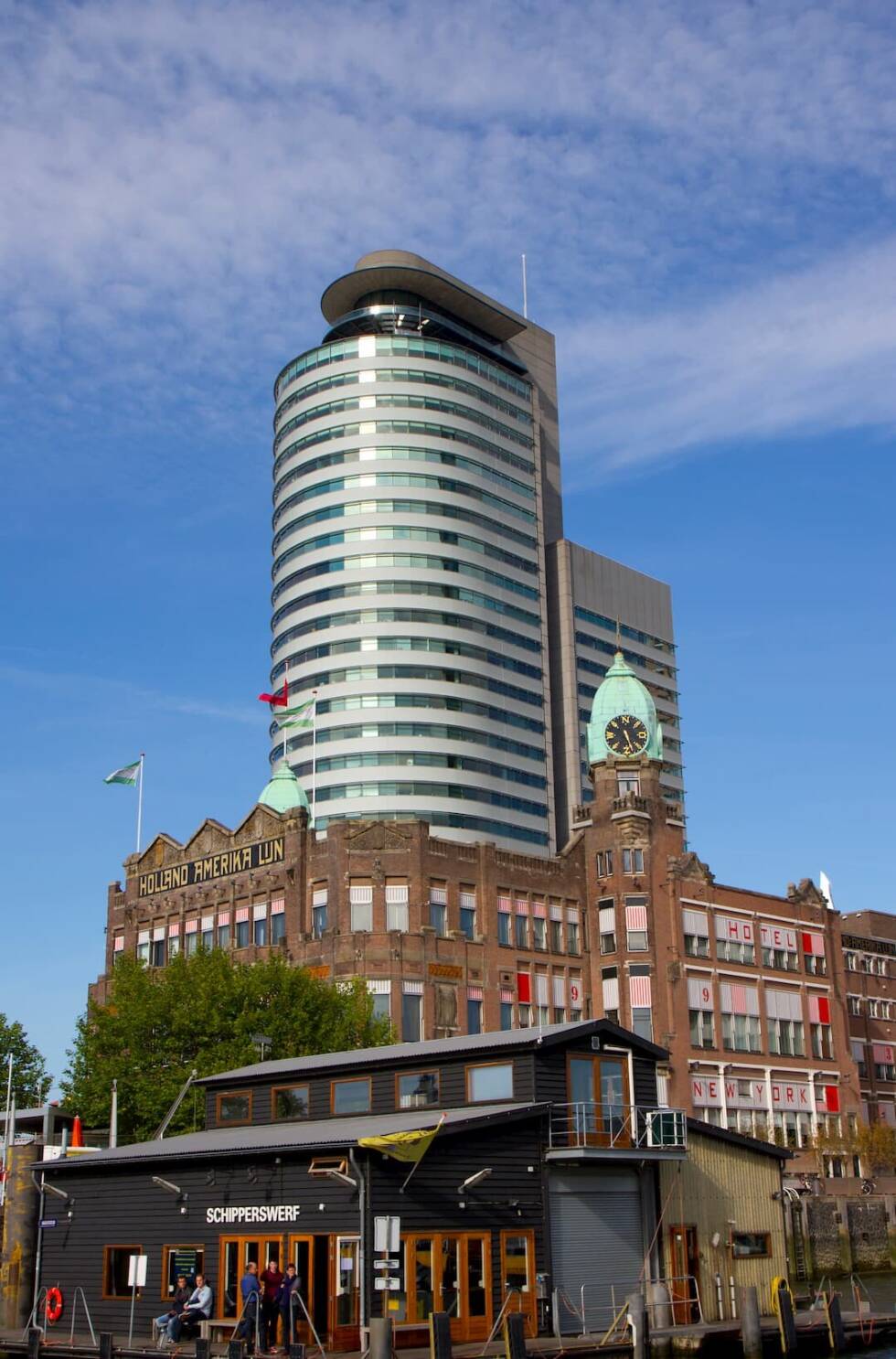
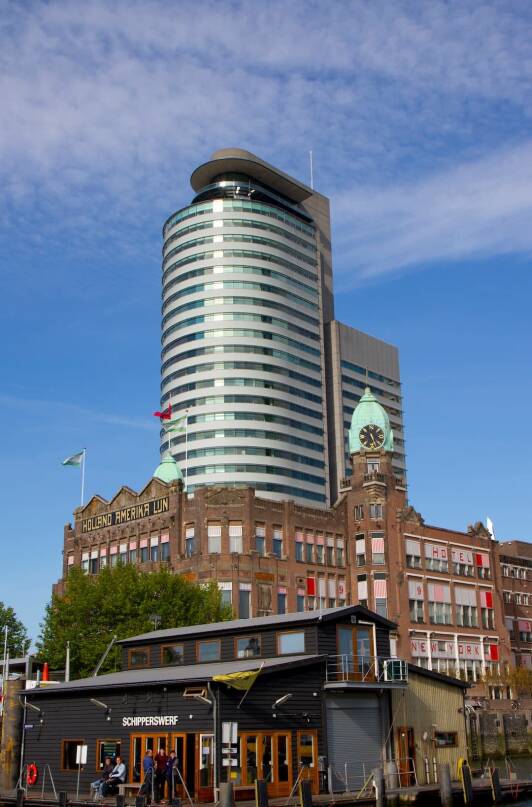
The Port of Rotterdam Authority continues to grow, relocating to the new World Port Center (WPC) at Kop van Zuid in 2001. After the KPN Tower, the WPC becomes the second skyscraper on Wilhelminapier.
2001
Move to the World Port Center
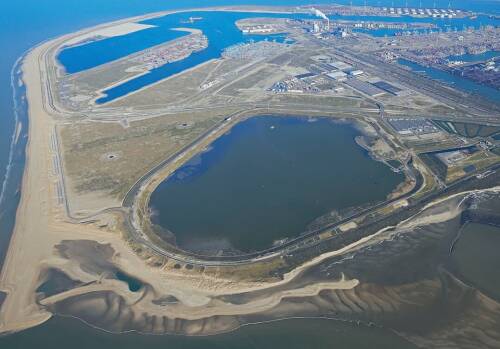
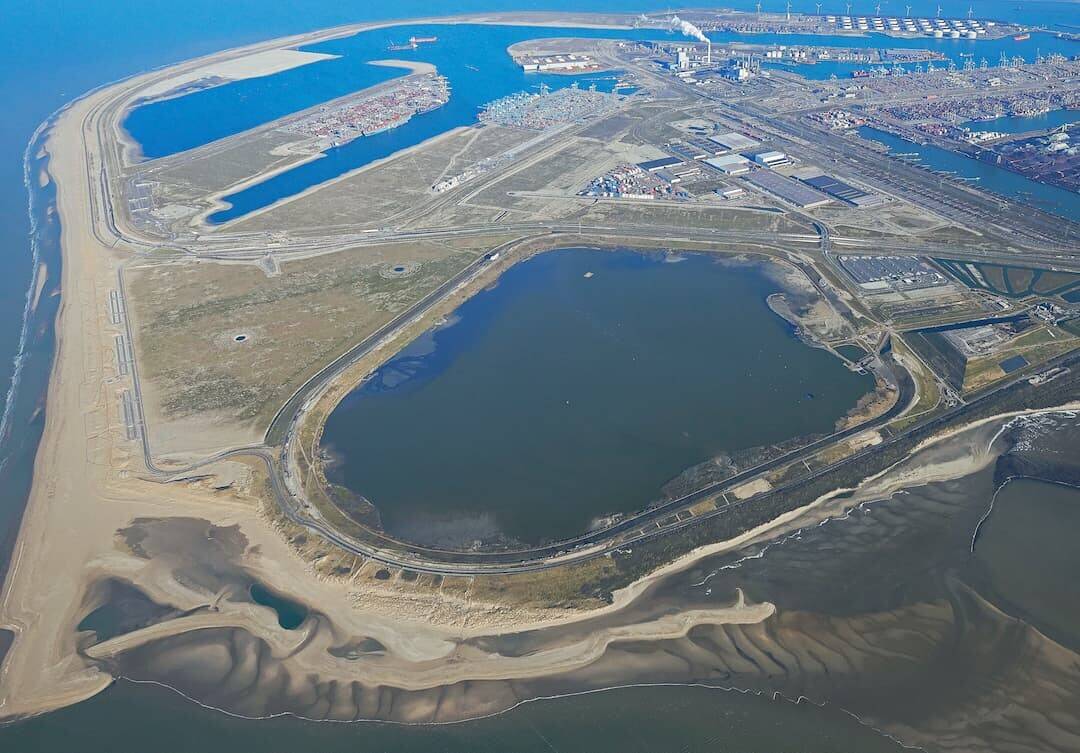
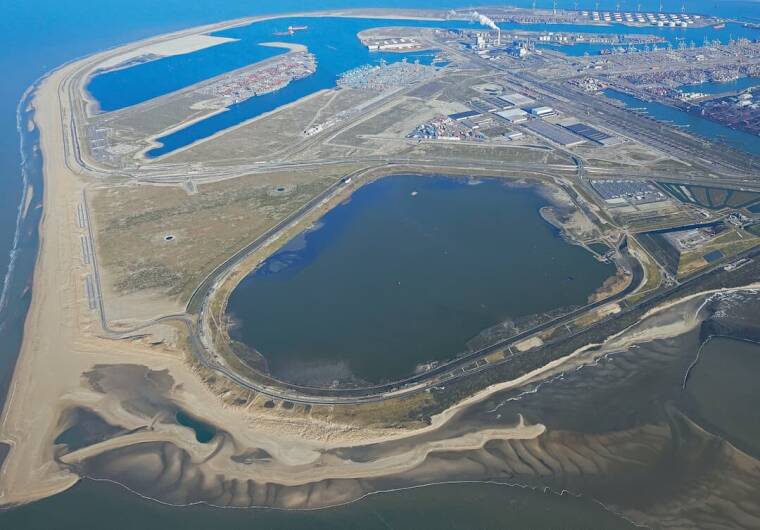
Extensive dredging is carried out in the port to make room for increasingly larger sea-going vessels. The Slufter on the Maasvlakte is commissioned in 1987 to dispose of all contaminated dredged spoil.
1987
Construction of the Slufter
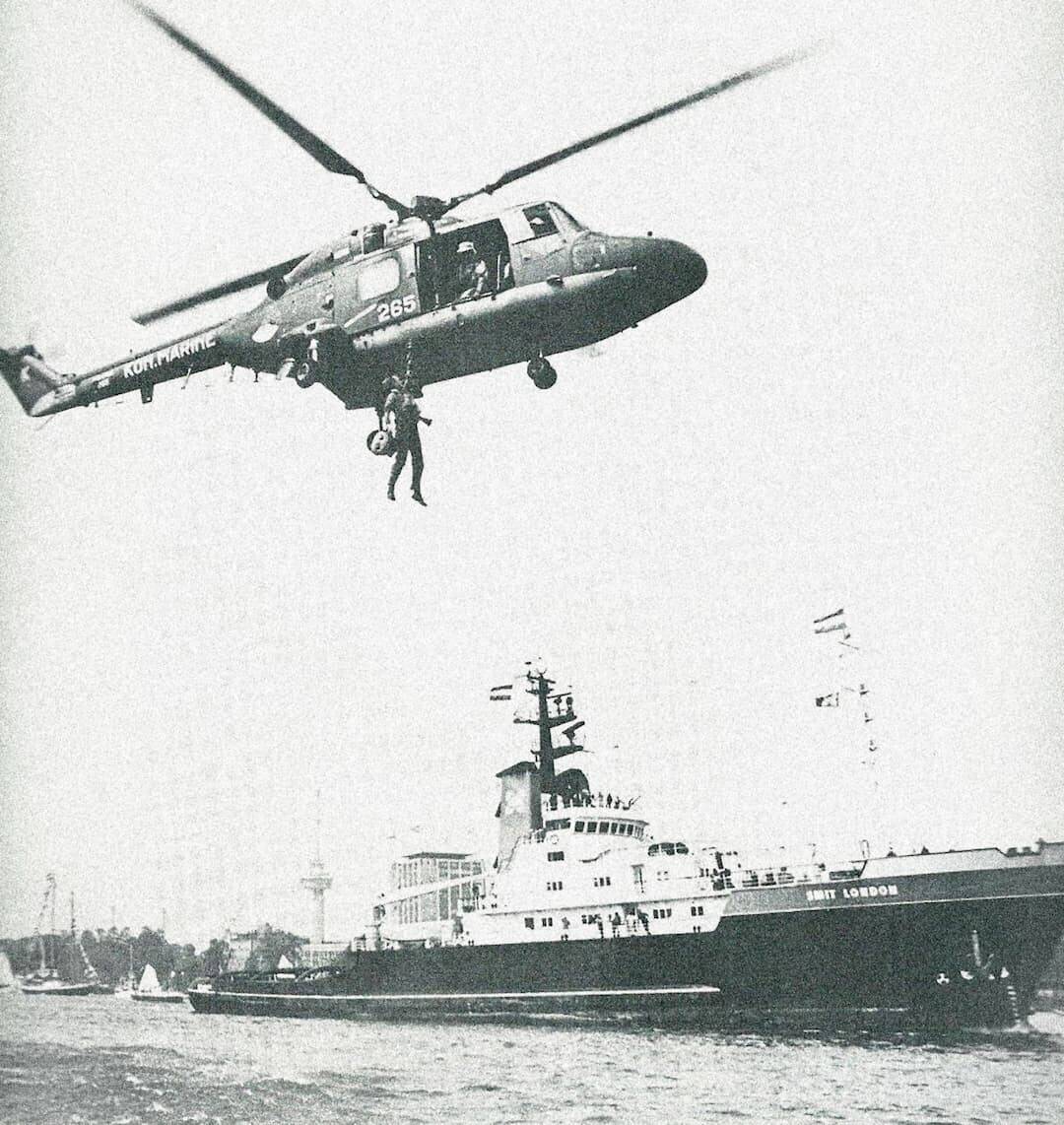
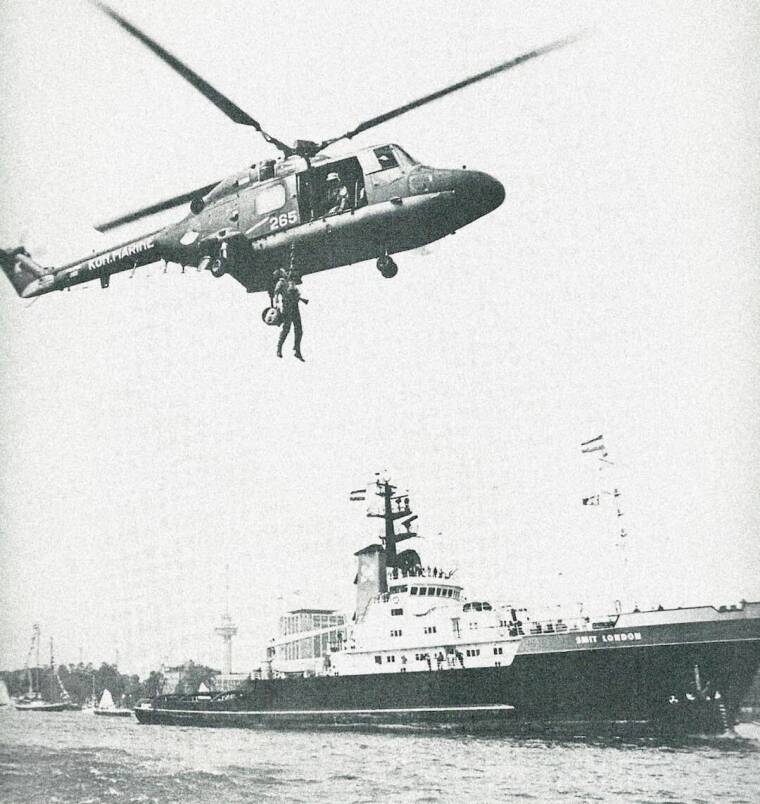
In September 1978, the first World Port Days are organised in the form still familiar today. This event showcases the port to Rotterdam residents. With the Nieuwe Maas as a stage, visitors marvel at the 'parade' of 180 vessels, among other things. What began as a one-day event, Maritiem '78 grows into the Netherlands' largest annual maritime festival, attracting hundreds of thousands of visitors over three full days.
1978
First World Port Days:
Maritime '78
Maritime '78
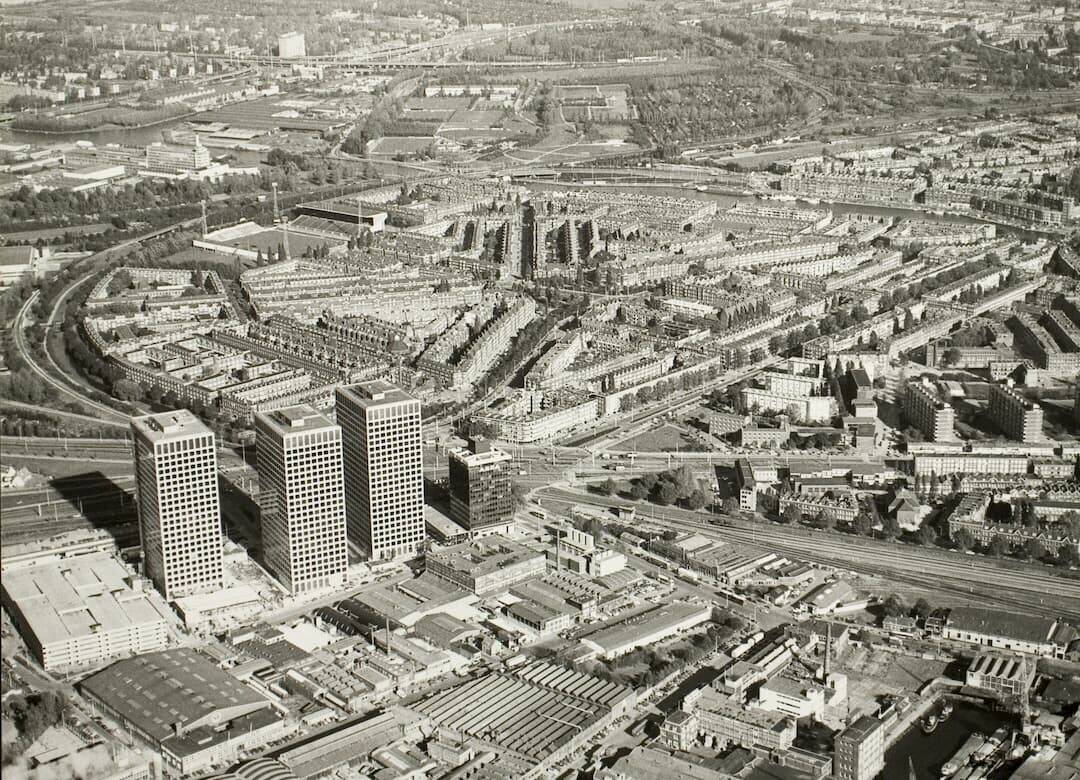
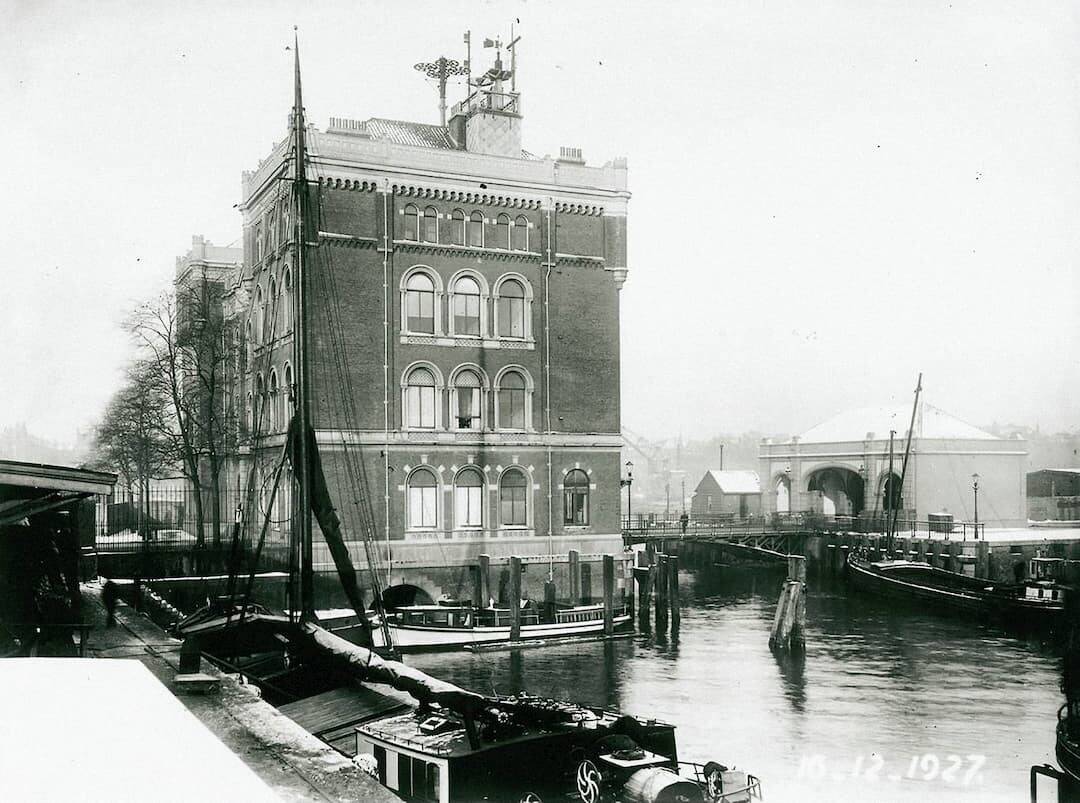
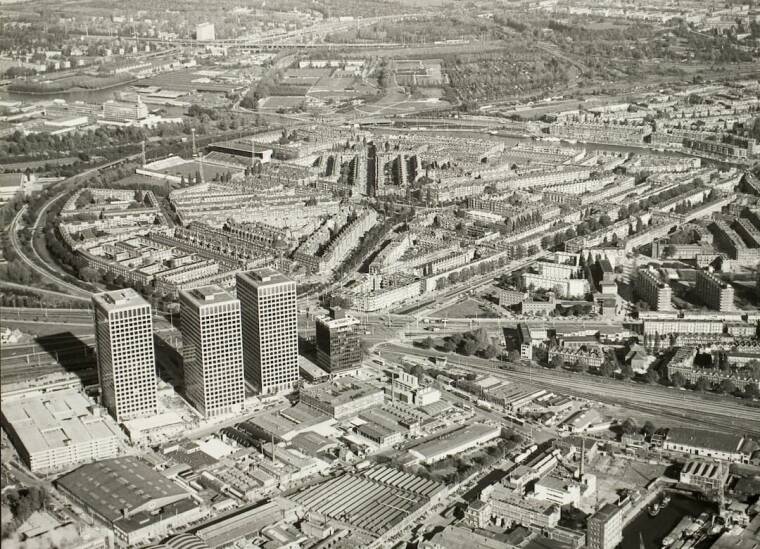
The Port of Rotterdam Authority outgrows the Poortgebouw and relocates to the Europoint Complex (now known as ‘The Lee Towers') in Rotterdam-West in 1977. Seen from the Noordereiland, the Poortgebouw forms the gateway to an area that, from the late 1990s onwards, develops strongly from a port to an urban district.
1977
From the Poortgebouw to the Europoint Complex
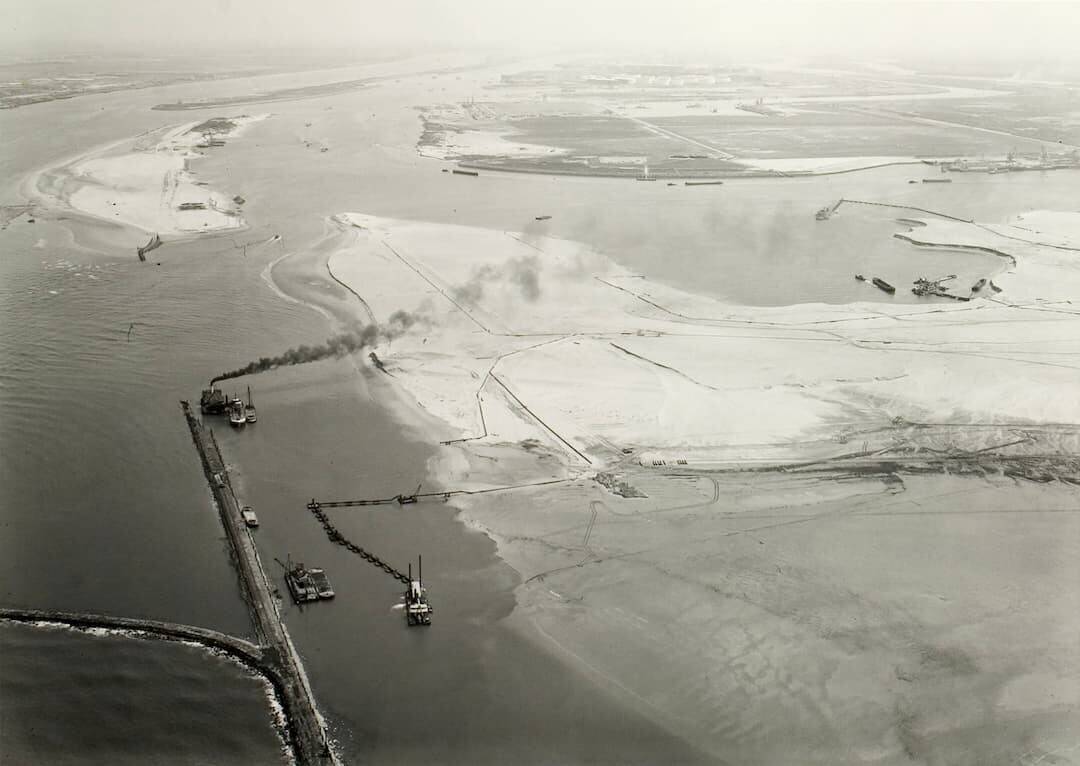
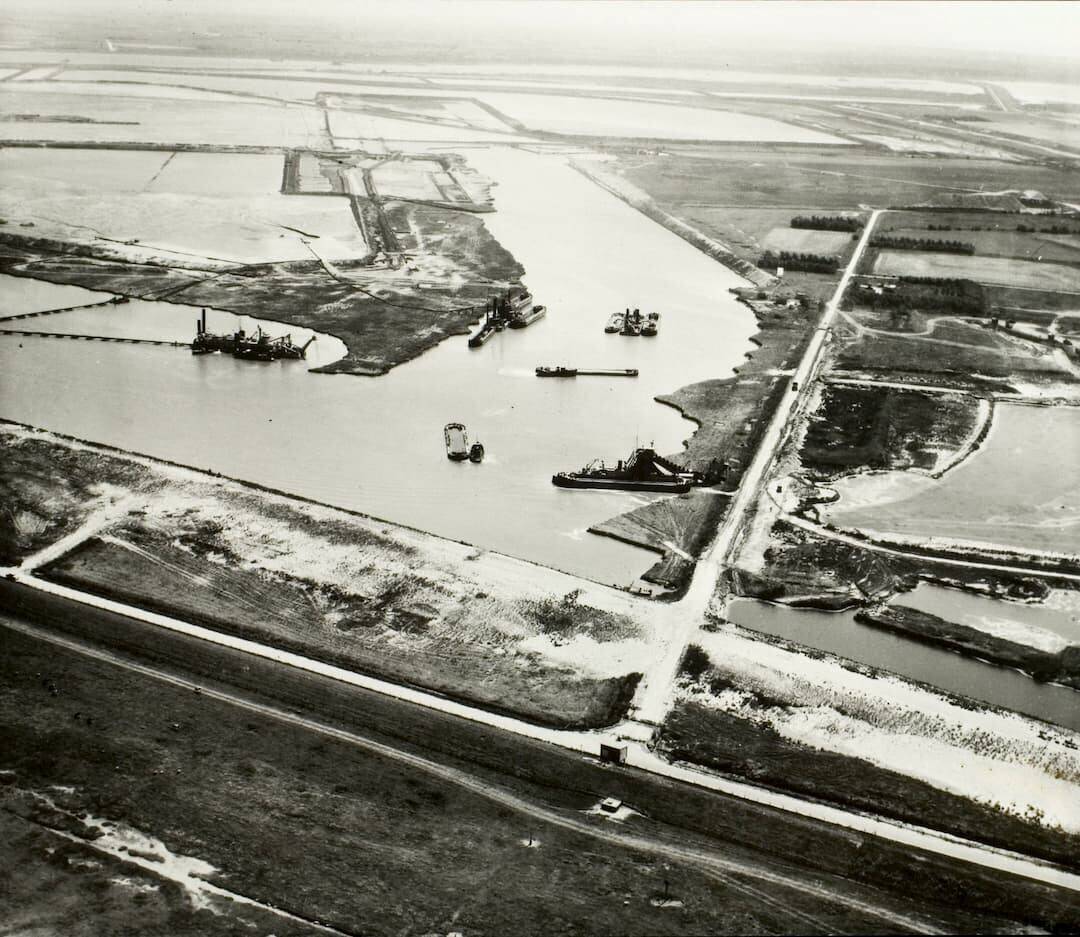
With the arrival of the containers, more space is needed. Reclamation of the Maasvlakte begins in 1969 and the first vessels dock in 1973. The plain lies directly on the North Sea and is some 40 kilometres from Rotterdam city centre.
1969
Start of Maasvlakte construction
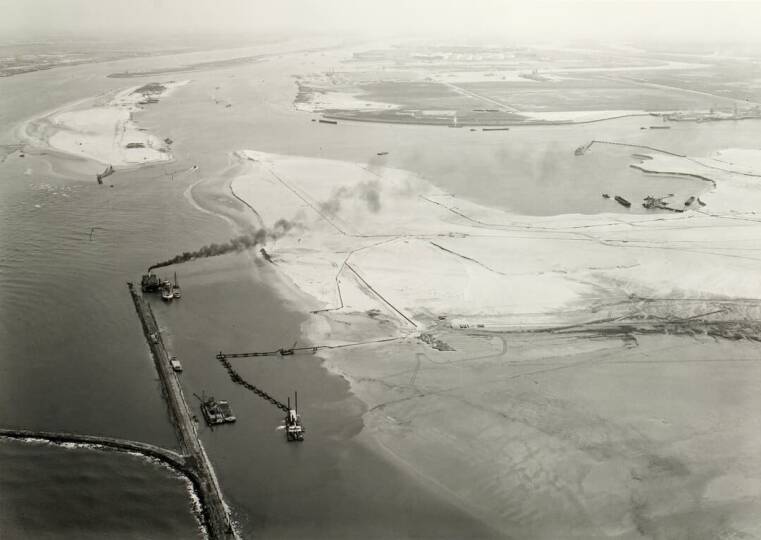
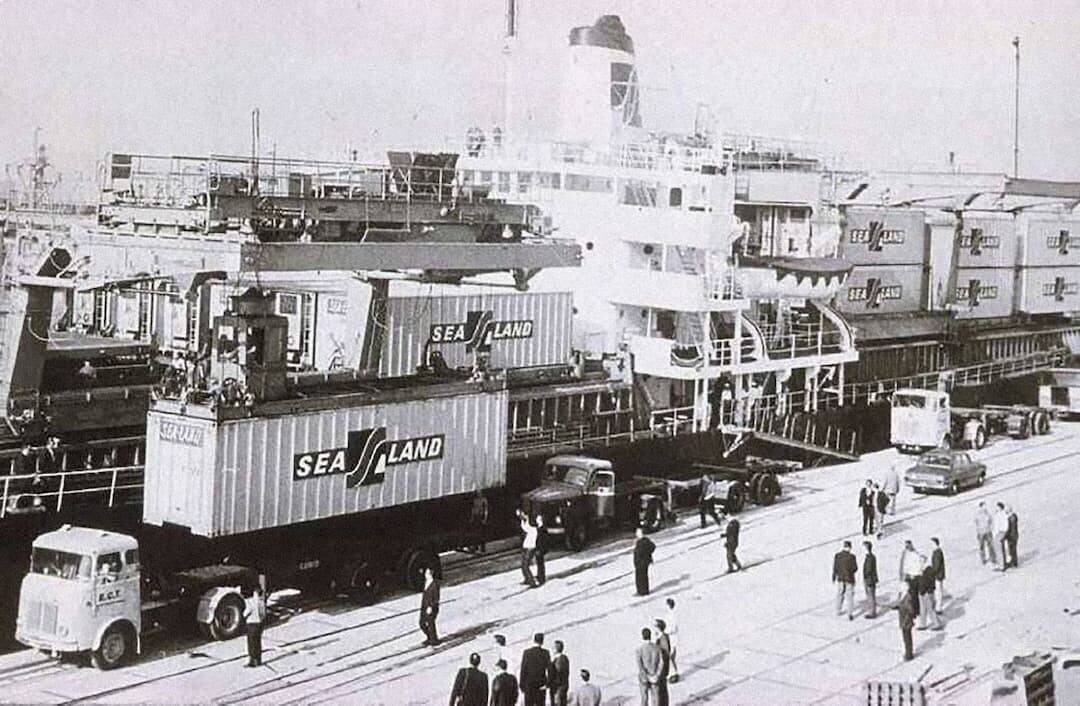
On 3 May 1966, the first container ship, the MS Fairland, enters the port, bringing 226 containers to the port city. It is the first container service between Rotterdam and New York. The largest container ship in 2024 has a capacity of 24,346 TEU (Twenty-foot Equivalent Units).
1966
First container ship in Rotterdam
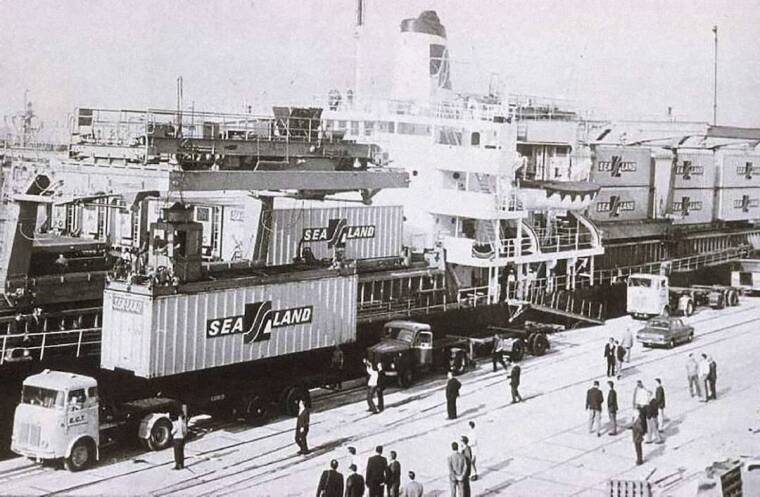
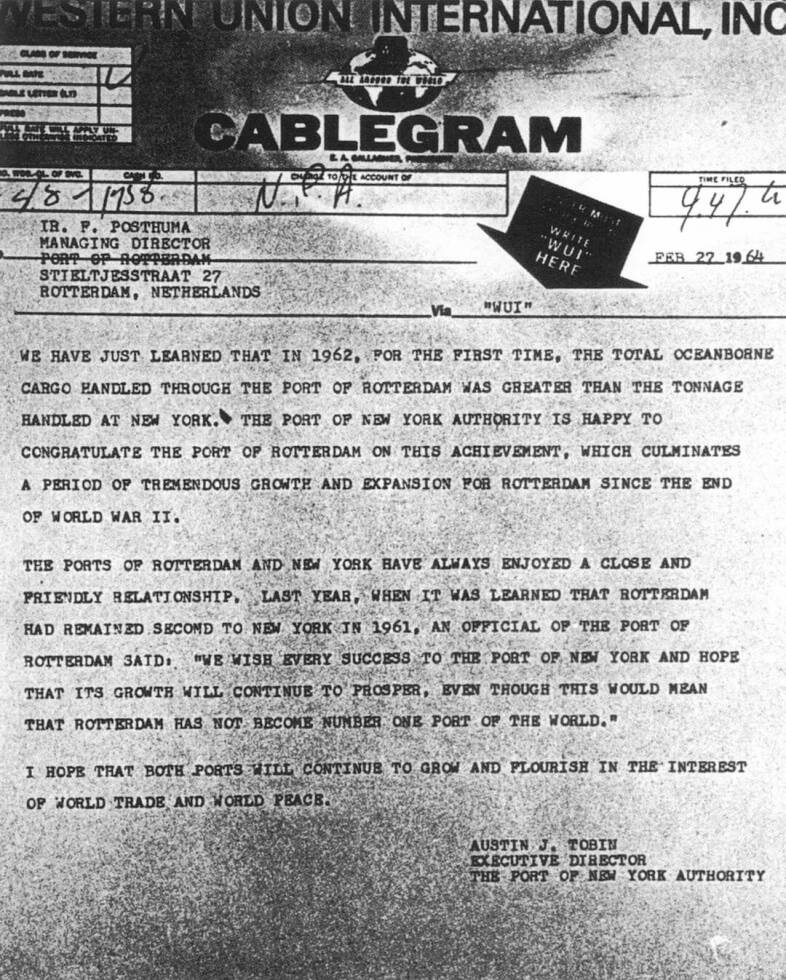
In 1962, Mayor van Walsum declares the port of Rotterdam the world's largest port. That year, 97 million tonnes are transhipped, overtaking rival New York. Rotterdam retains the title until 2004, when Shanghai takes over.
1962
The largest port in the world!
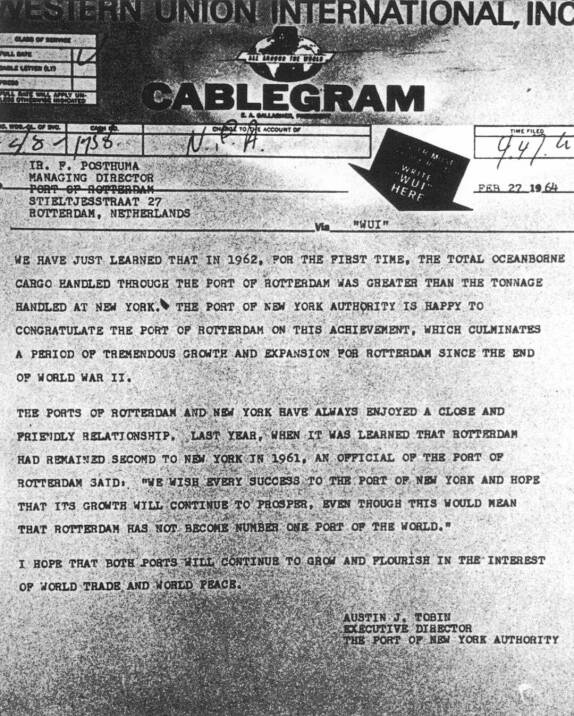
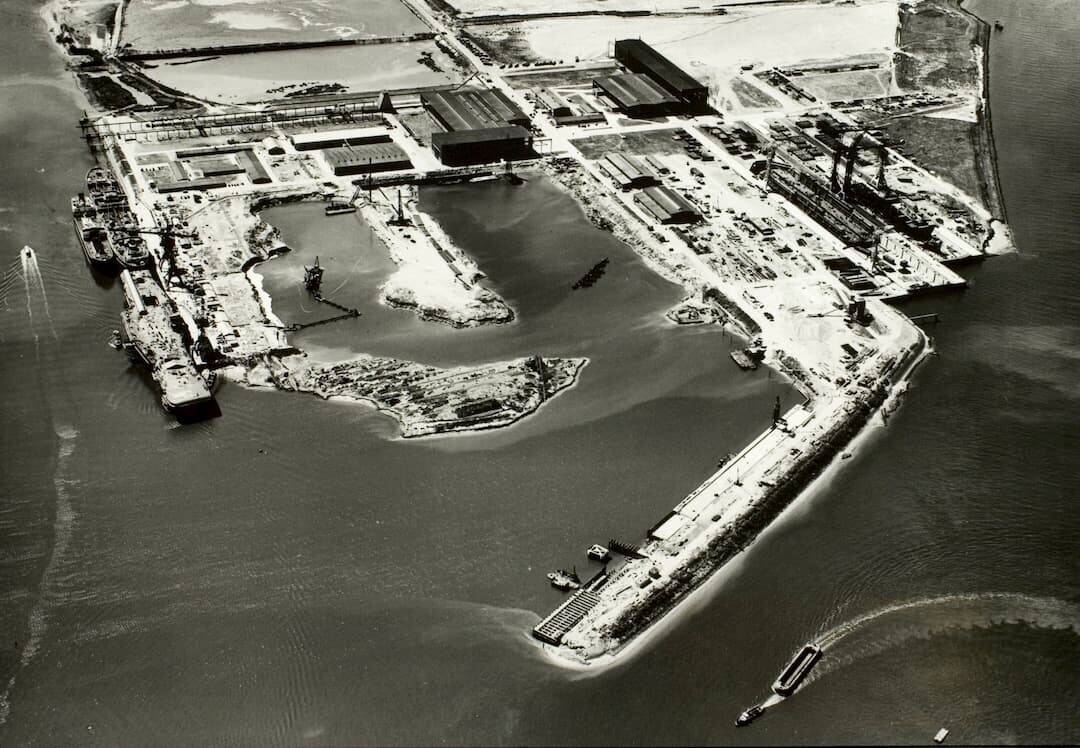
The expansion of the port in the 1950s is not yet complete. Between 1958 and 1964, Europoort is built, extending the port area to the North Sea. The west of the area is dedicated to ore transhipment; the east focuses on cars, steel and wood products.
1958
Start of Europoort construction
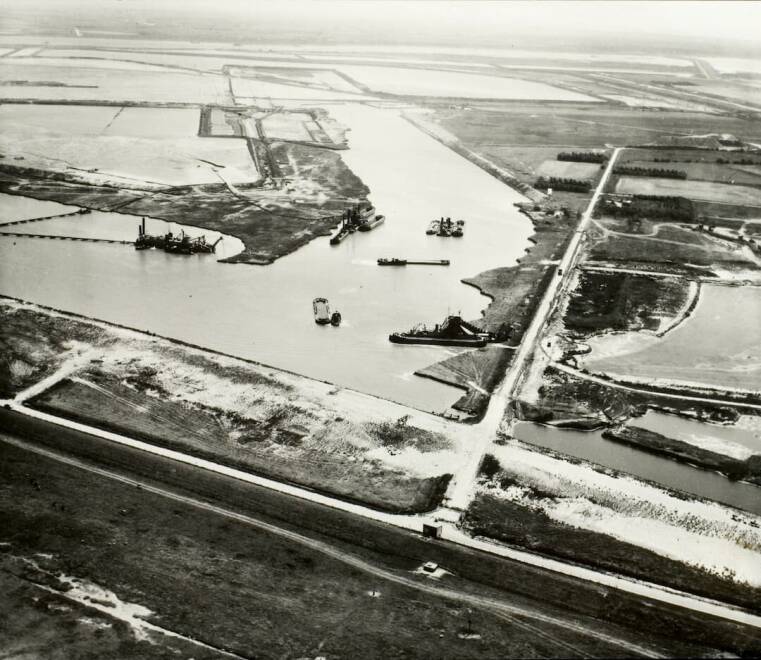
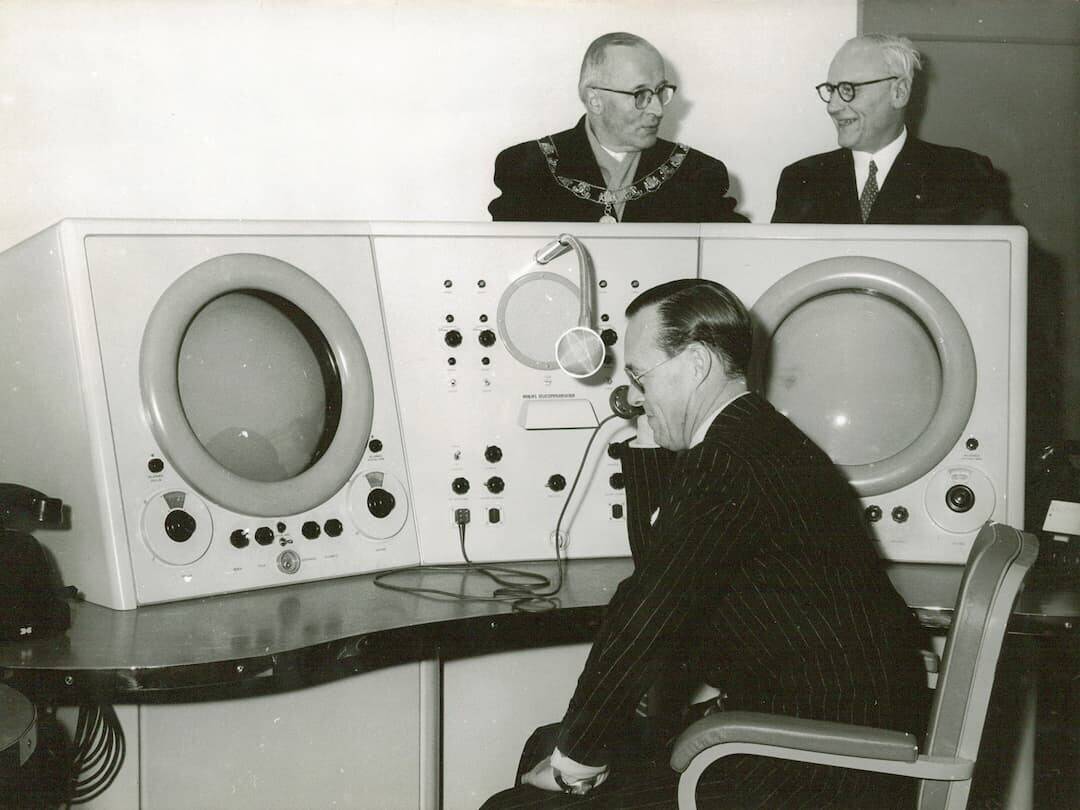
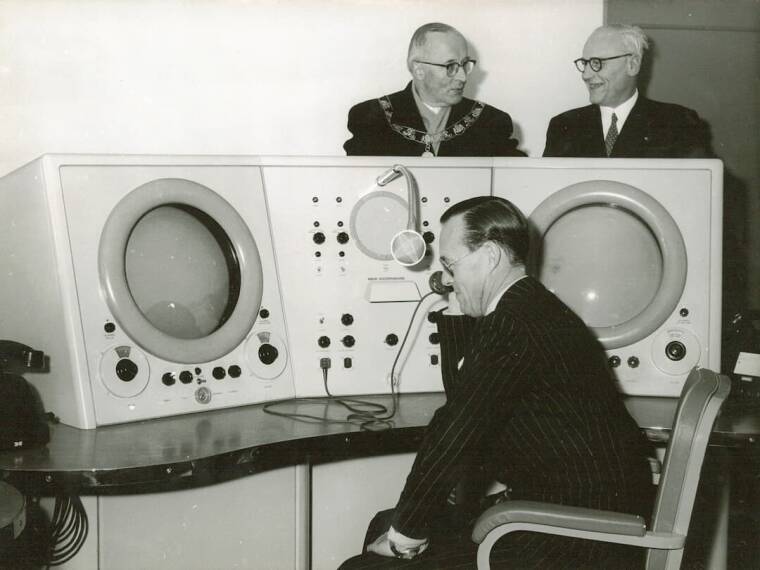
It grows increasingly busy on the river. To assist shipping in fog and poor visibility, seven radar stations open in 1956 along the Nieuwe Waterweg at Hoek van Holland, Rozenburg, Maassluis, the Tankhoofd, Pernis, the Lekhaven and the Charloisse Hoofd. High-profile visit: on 30 November 1956, Prince Bernhard opens the stations.
1956
Commissioning of seven radar stations
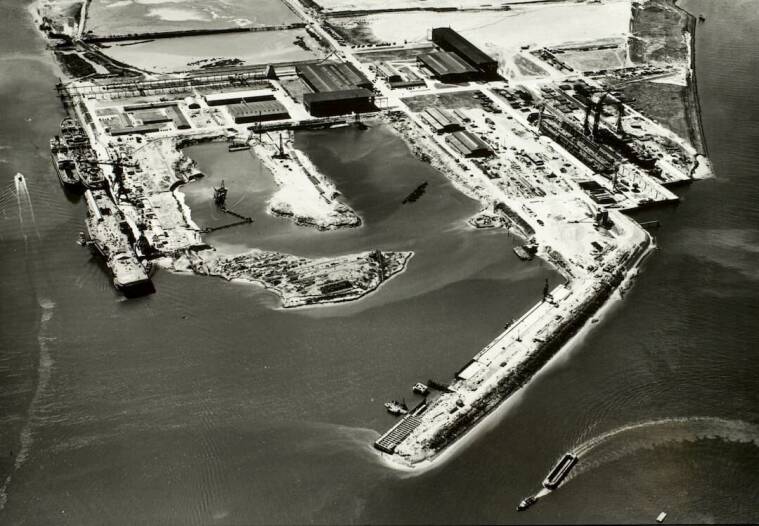
The construction of the Botlek begins in 1954. The area lies west of the Oude Maas, between the River Scheur and the A15 motorway. It is characterised by petrochemical industry, tank storage companies and dry bulk goods storage, as well as shipbuilding, repair and maintenance. Work is completed in 1960.
1954
Start of the construction of the Botlek
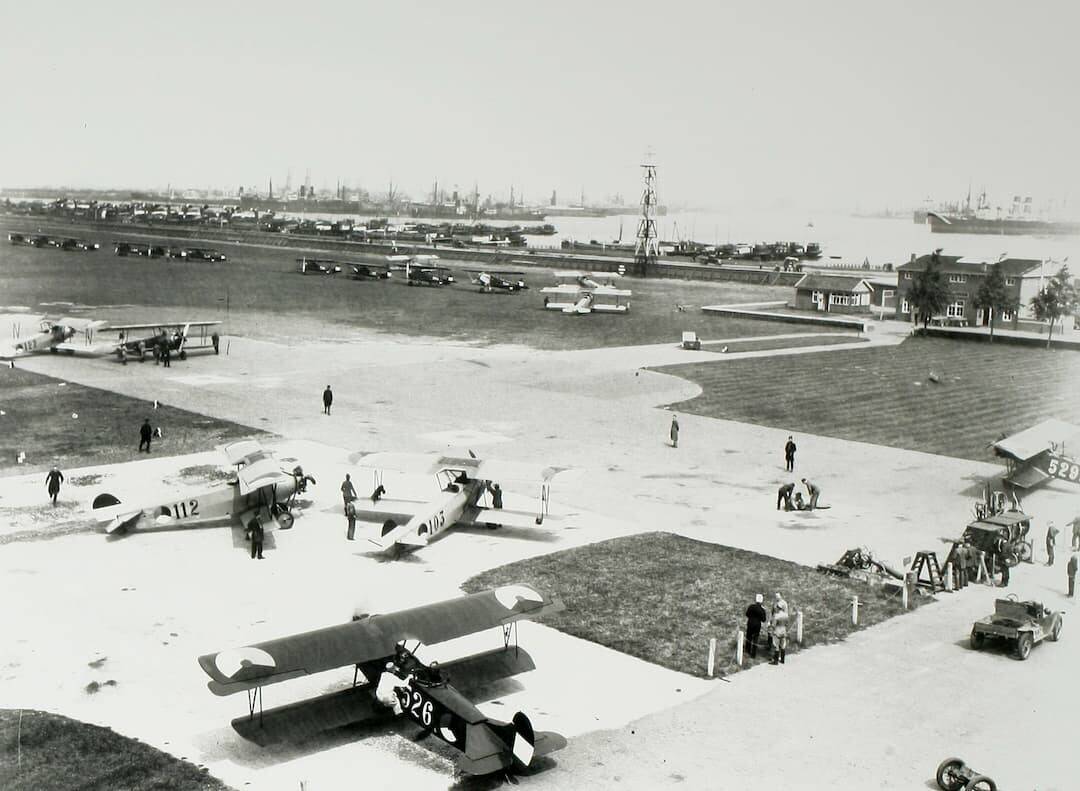
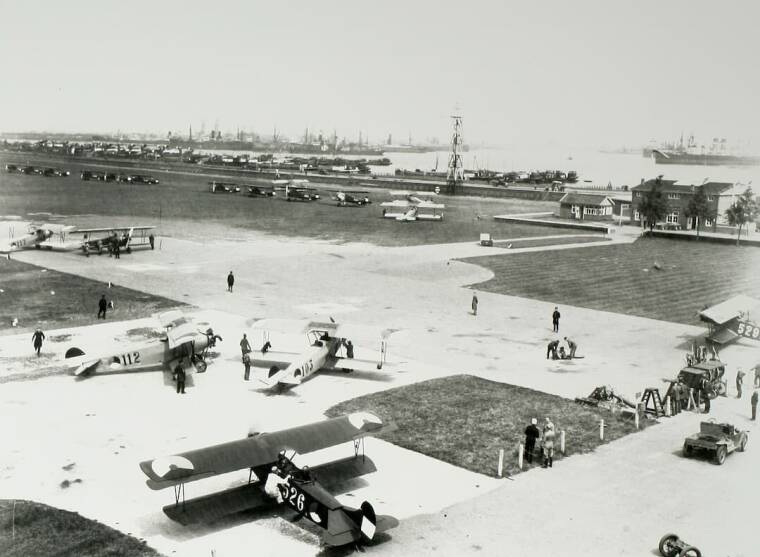
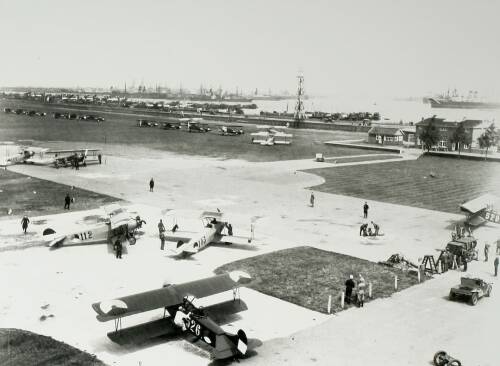
During a bombing raid on 10 May 1940, Waalhaven Airport is completely destroyed. After the war, the airport is not rebuilt but redeveloped as Waalhaven-Zuid industrial site.
1940
Waalhaven Airport
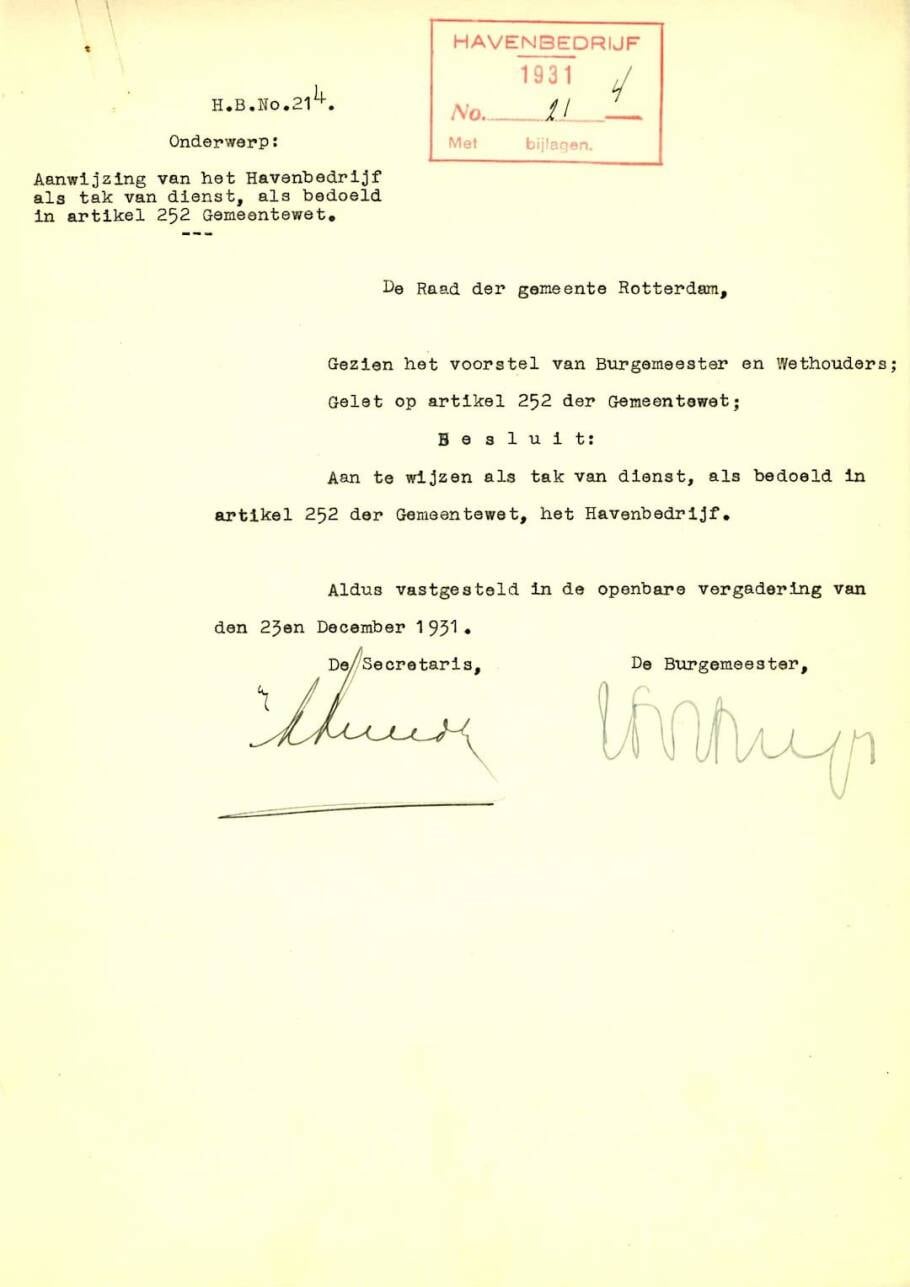
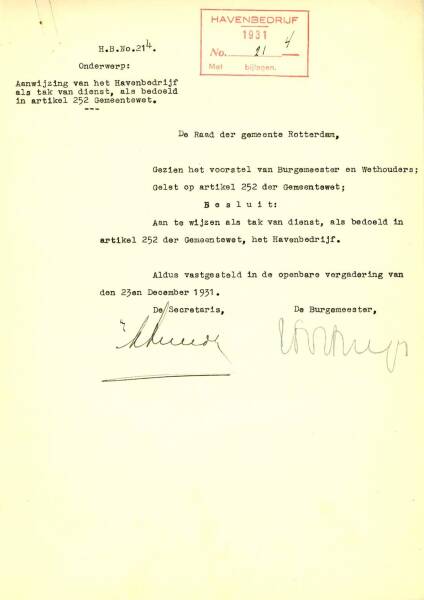
In 1932, the Havenbedrijf der Gemeente Rotterdam is established, succeeding the Gemeentelijke Haveninrichtingen.In the 1980s, the name changes to Gemeentelijk Havenbedrijf Rotterdam (Municipal Port of Rotterdam Authority).
1932
Establishment of the Havenbedrijf der Gemeente Rotterdam (Port Authority of the Municipality of Rotterdam)
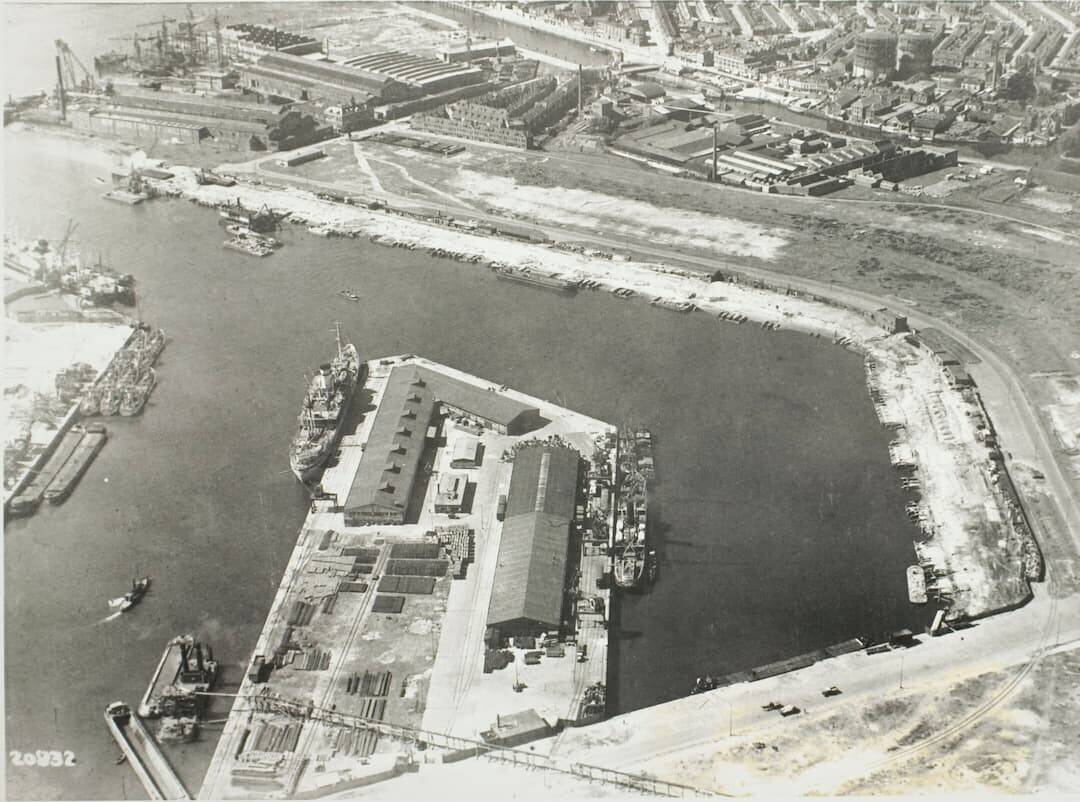
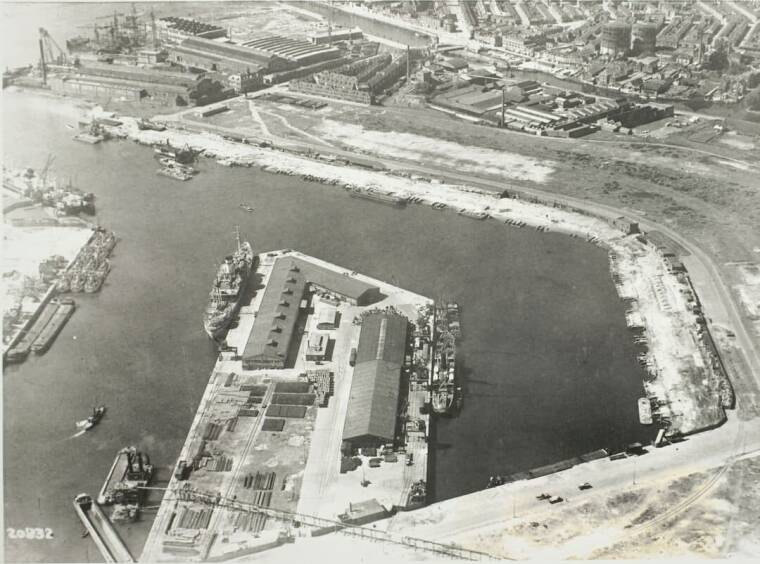
Vessel cargo volumes grow steadily, making a breakbulk port necessary. Between 1927 and 1931, Merwehaven is constructed for this purpose. A harbour complex is designed between the Keilehaven gasworks and the municipality of Schiedam. Merwehaven-Vierhavens on the north bank serves as the base of Rotterdam Fruitport.
1927
Start of construction of the breakbulk port
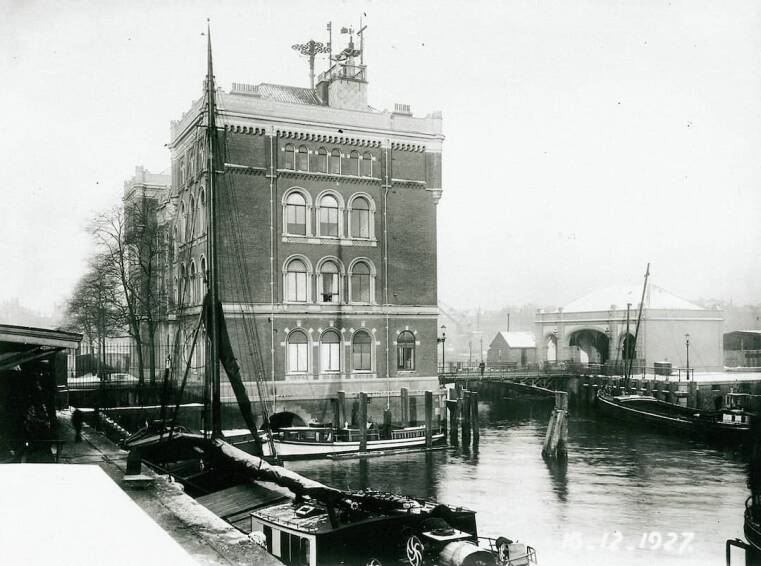
The municipality and the State invest heavily in Rotterdam's Koningshaven, Spoorweghaven and riverbank connections. When the RHV goes bankrupt, the entire area comes under the control of the municipality, leading to the establishment of the predecessor of the Gemeentelijk Havenbedrijf (Municipal Port Authority): the Gemeentelijke Haveninrichtingen.
1882
Establishment of the Gemeentelijke Haveninrichtingen (Municipal Port Facilities)
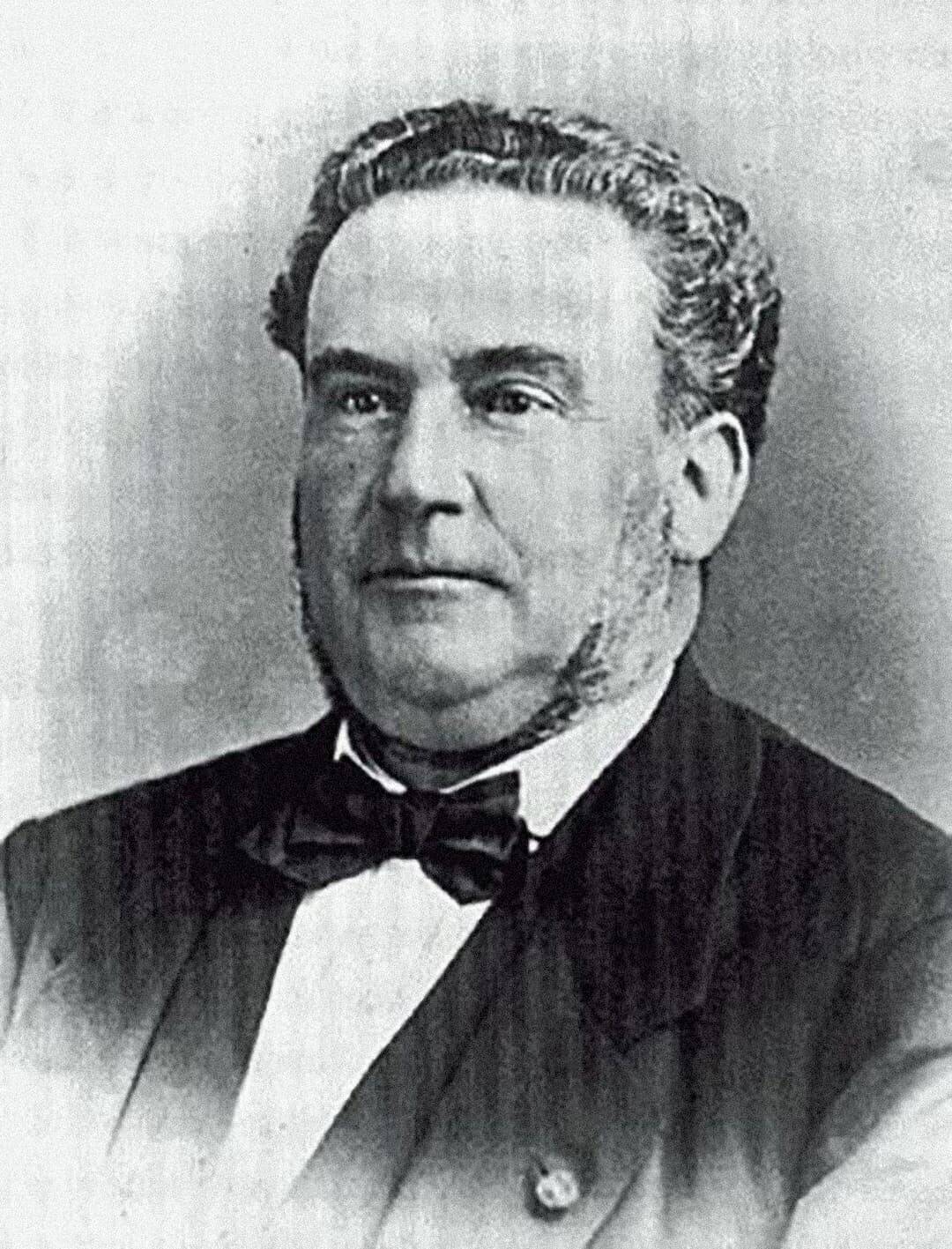
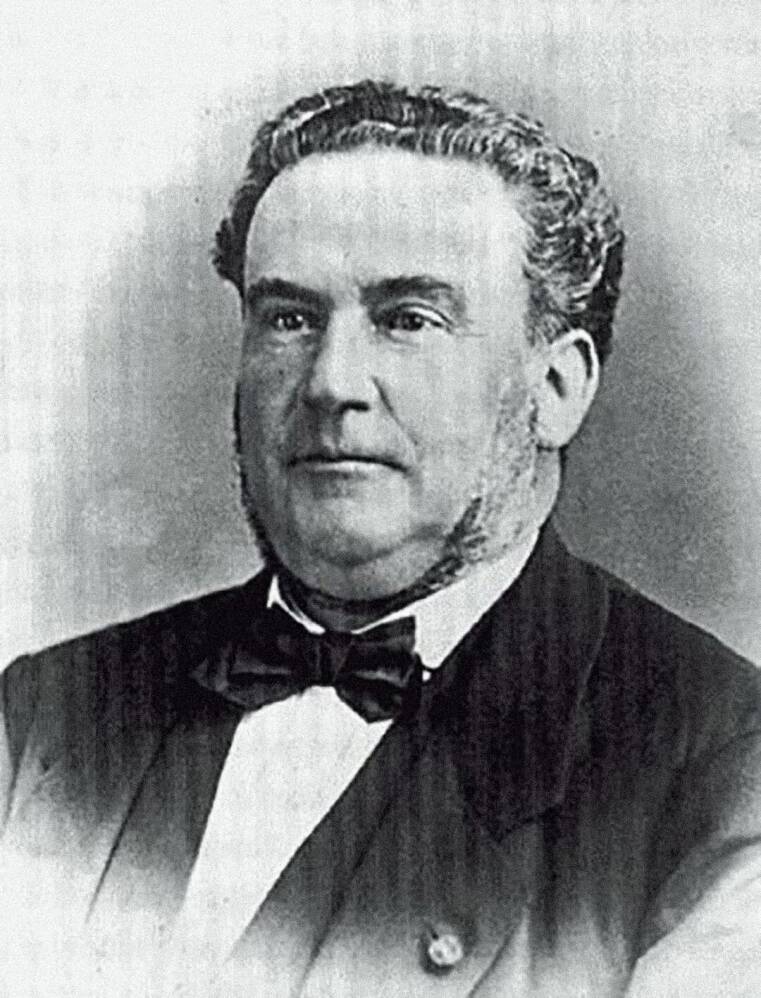
Businessman Lodewijk Pincoffs, together with banker Marten Mees and others, establishes the Rotterdamsche Handelsvereeniging (Rotterdam Trading Association) in 1872. Under the condition that they may operate the area, they agree with the municipality to invest millions in Feijenoord.
1872
Establishment of the Rotterdamsche Handelsvereeniging ((RHV) Rotterdam Trading Association)

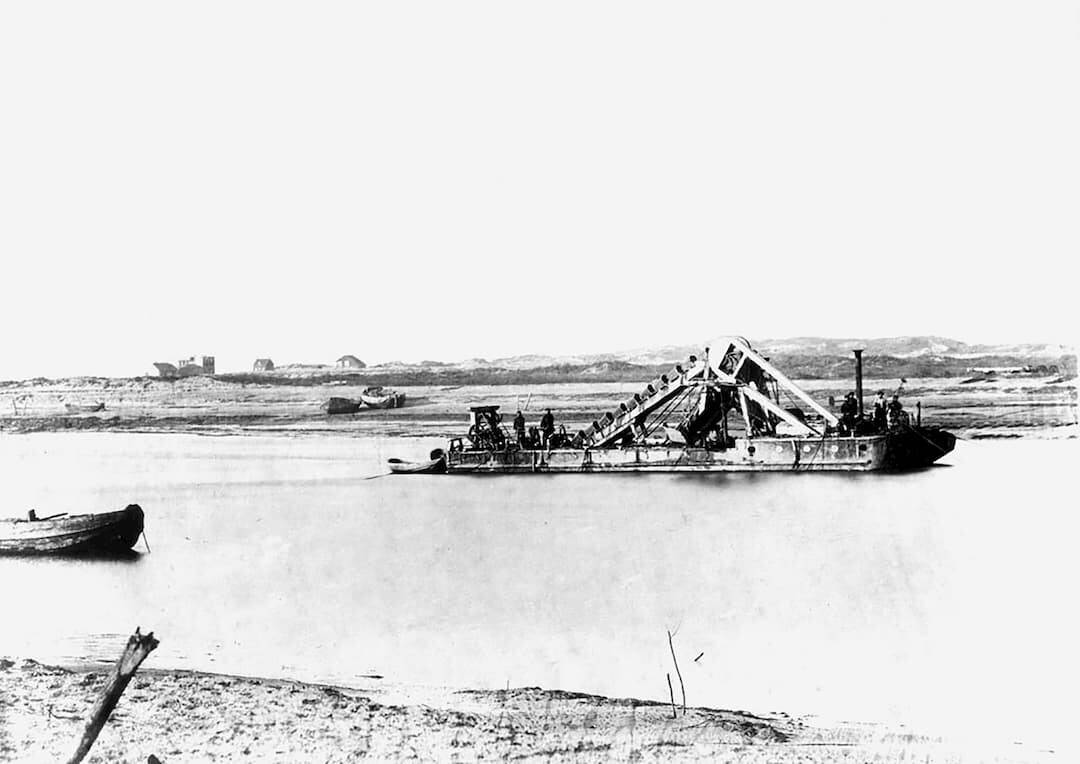
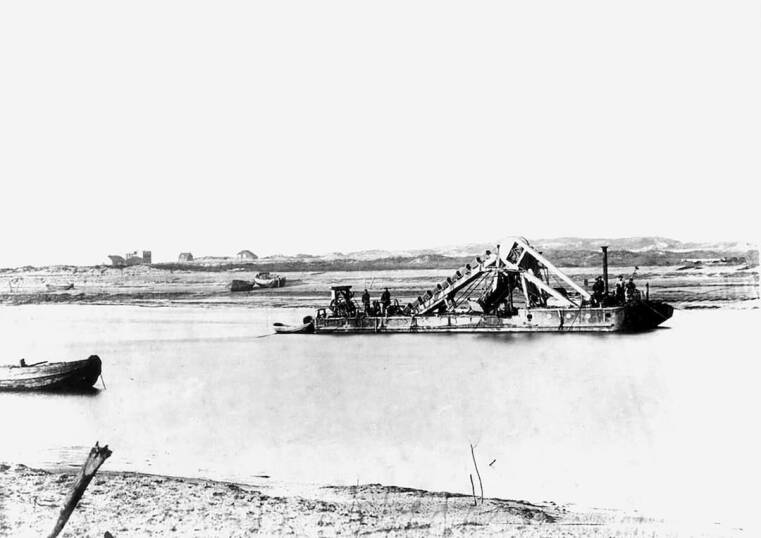
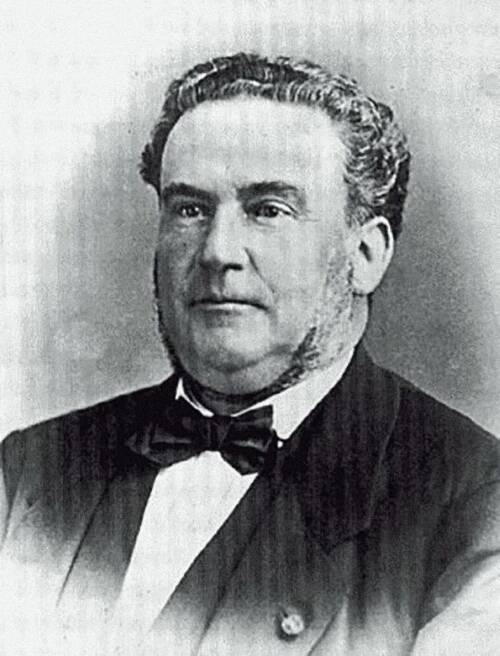
The port modernises at a fast pace and in 1864 construction begins on the Nieuwe Waterweg, a canal designed by Pieter Caland. The project does not go as planned and it takes until 1886 to meet the required specifications.
1864
Start of the Nieuwe Waterweg construction
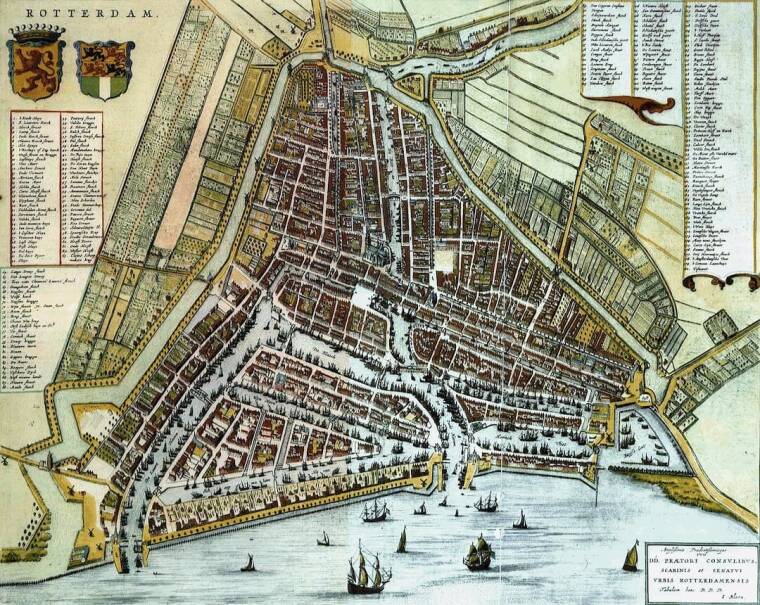
Following the establishment of the Dutch East India Company (VOC), trade and shipping increase rapidly, requiring more ports to be built to accommodate the volumes. In the 17thcentury, Leuvehaven (1604), Wijnhaven (1613), Scheepmakerhaven (1613), Glashaven (1614) and Bierhaven (1614) are built.
1600
Construction of the ports
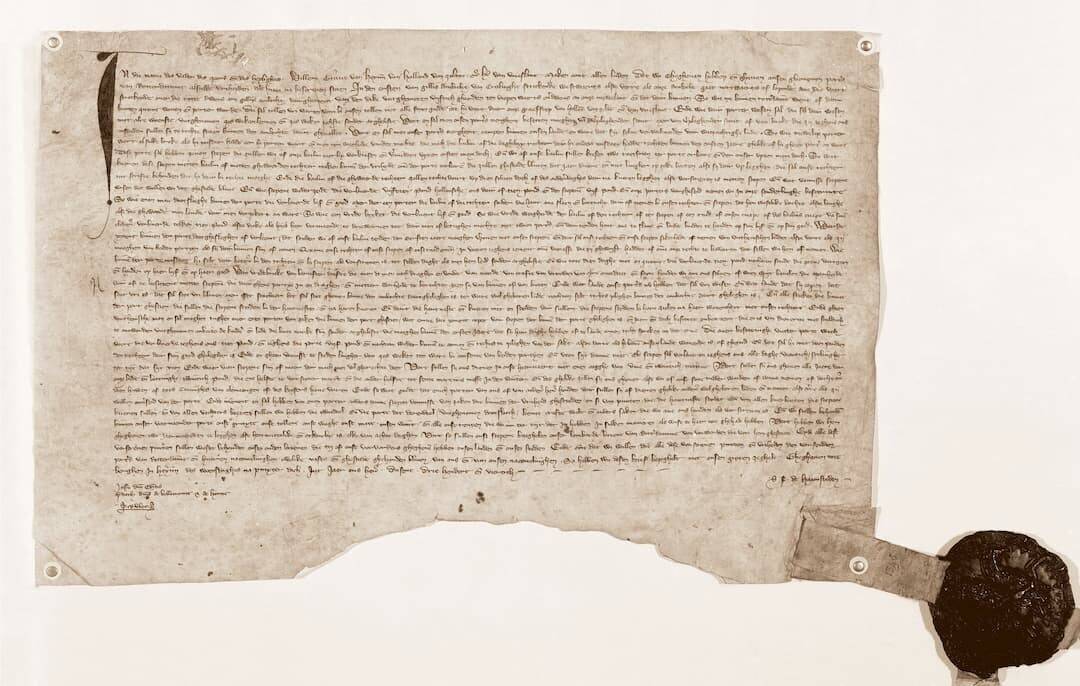
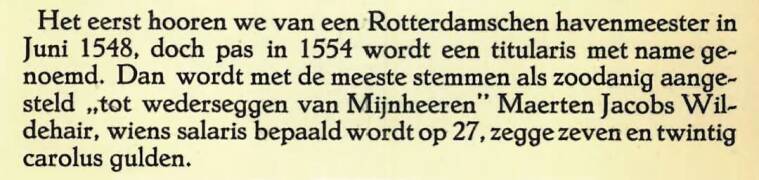
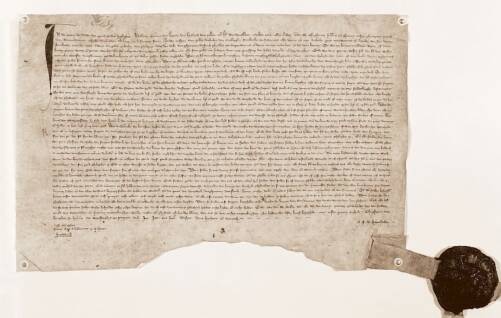
The dam is immediately developed, becoming the vibrant centre in the place that is by now called Rotterdam. The dam is named Hoogstraat. On 7 June 1340, Count William IV of Holland grants the village city rights for the third time, in exchange for payment.
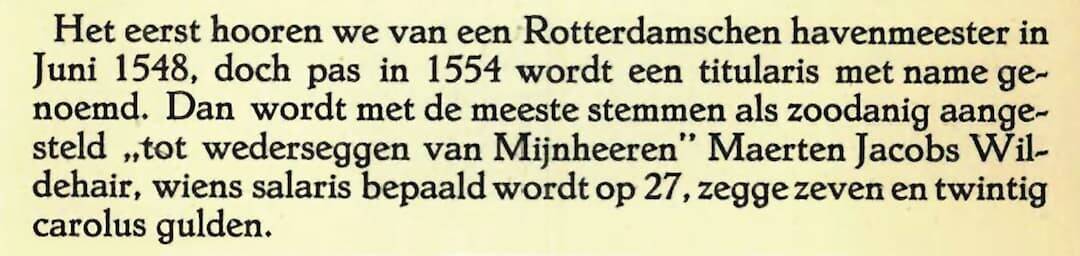
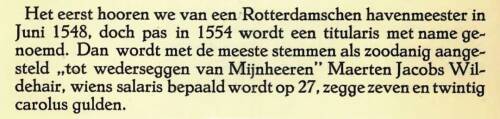
1554
The first harbour master
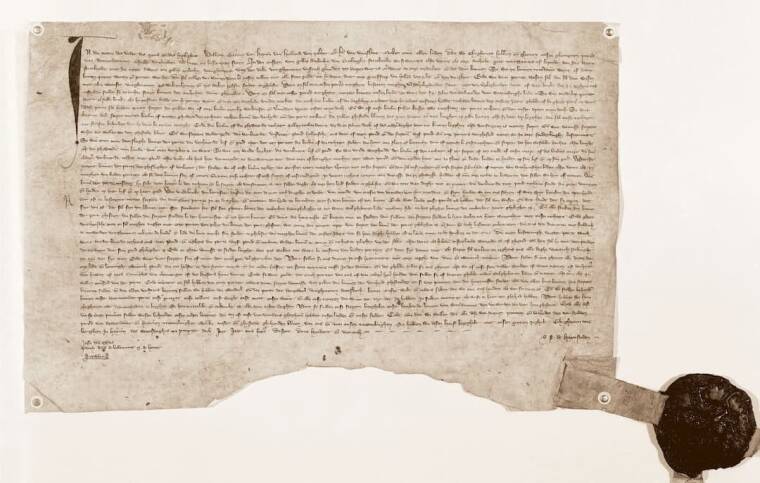
The dam is immediately developed, becoming the vibrant centre in the place that is by now called Rotterdam. The dam is named Hoogstraat. On 7 June 1340, Count William IV of Holland grants the village city rights for the third time, in exchange for payment.
1340
Rotterdam gets city rights
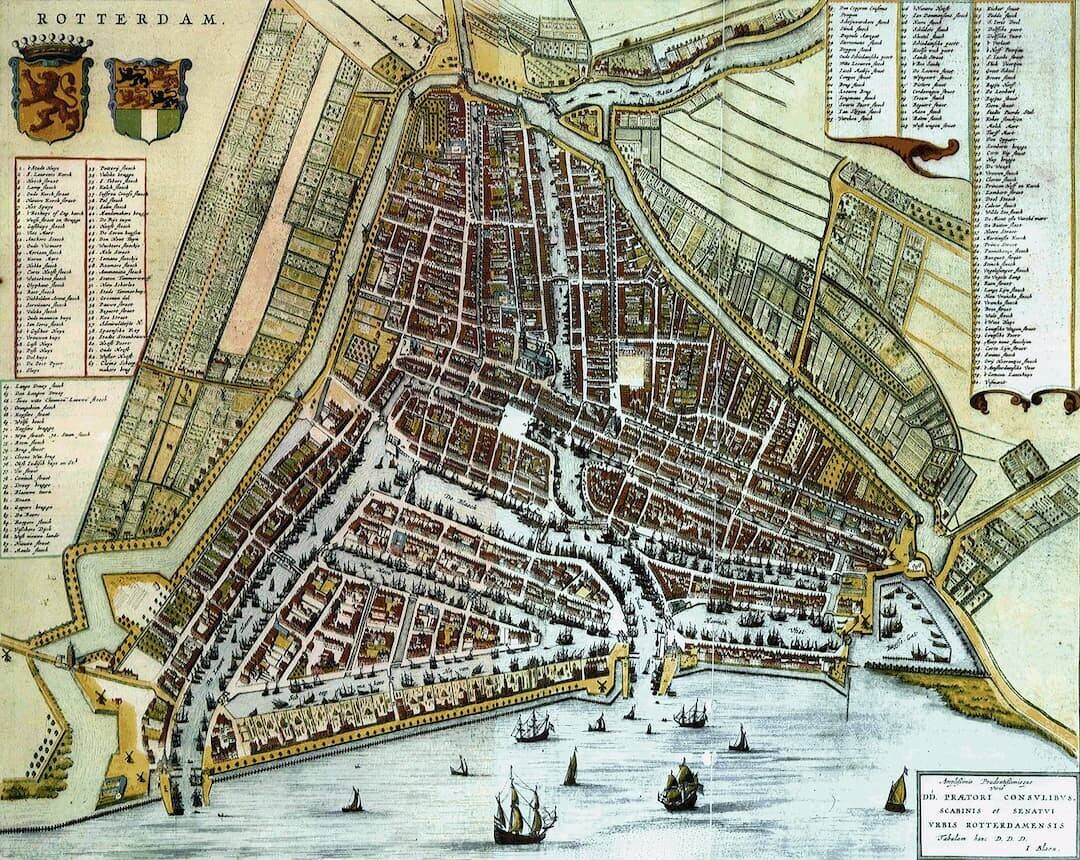
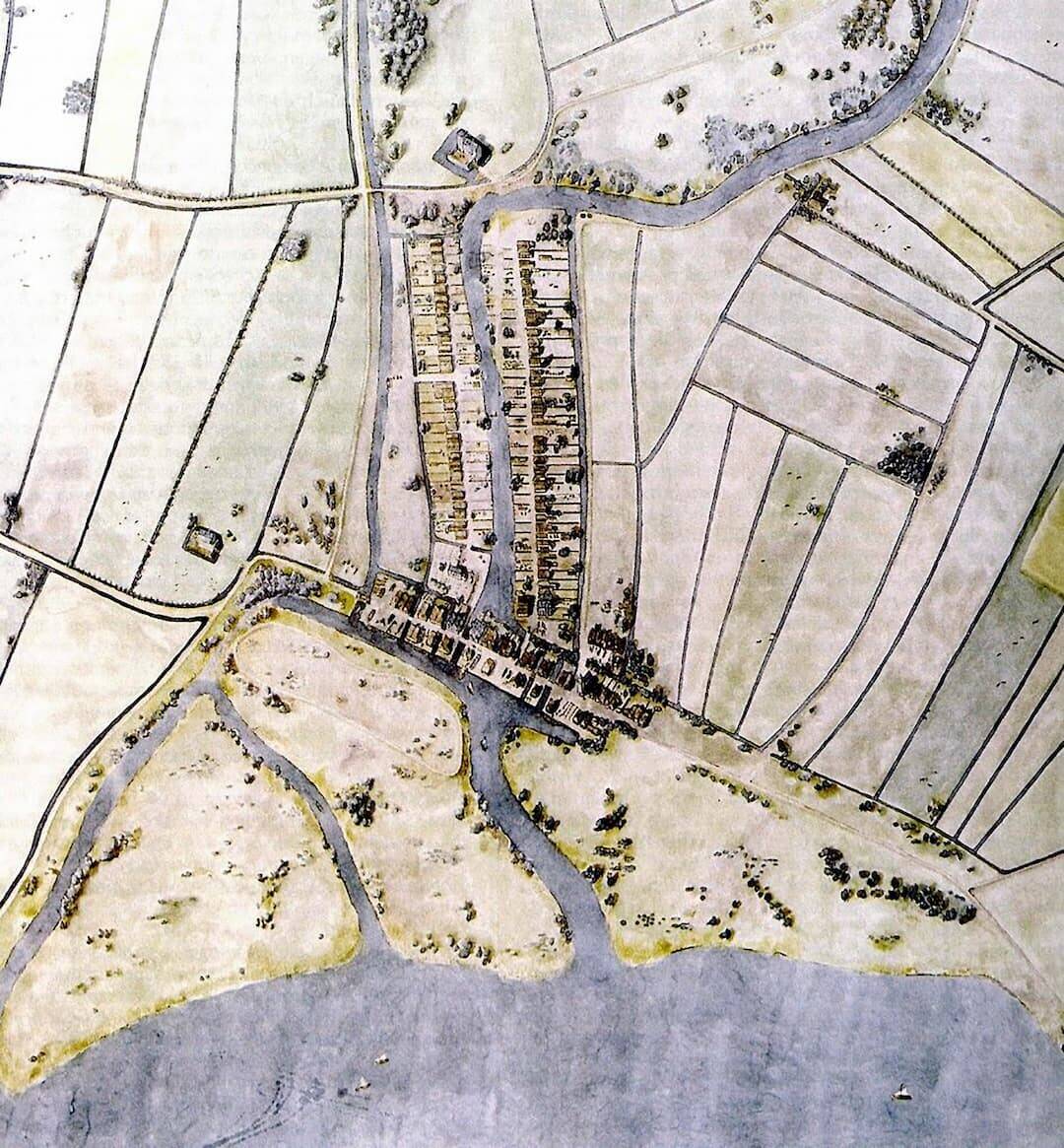
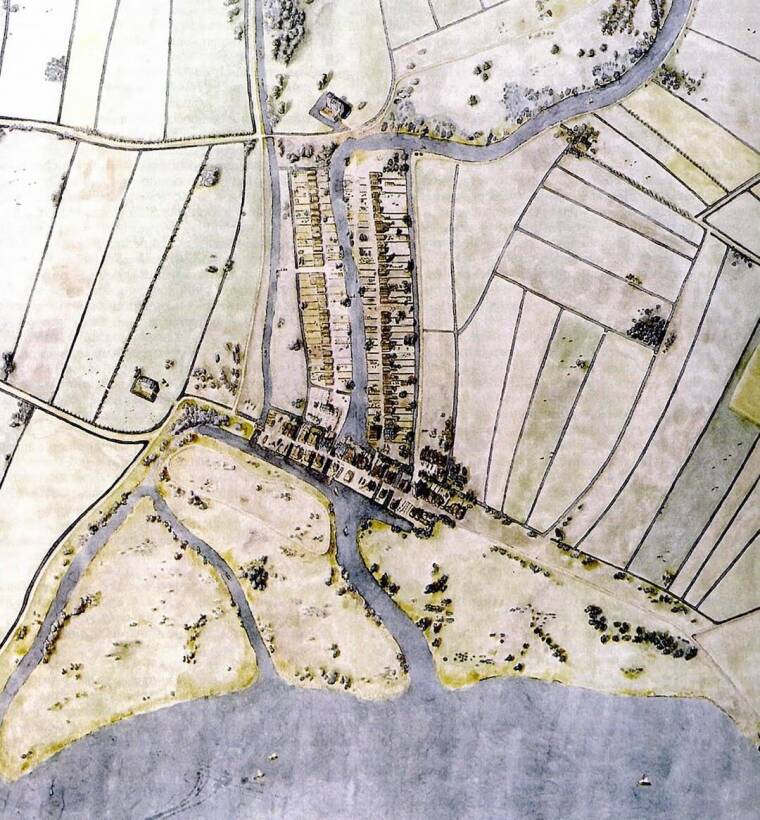
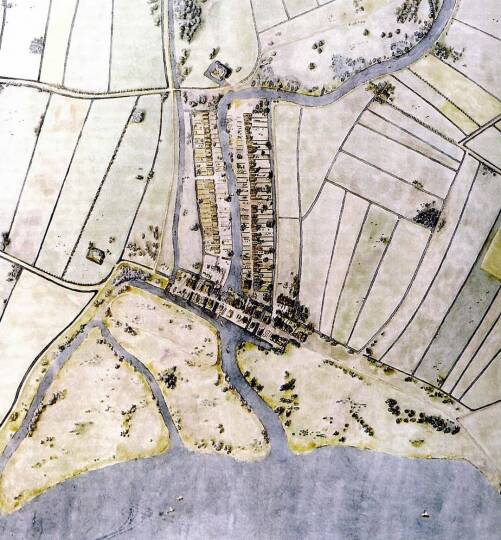
We start the journey around 1250, when the people settling 'here' build a dam in the small river Rotte. The village that emerges is named Rotte-dam. It proves to be a convenient location for transferring goods from sea-going vessels to smaller riverboats. This marks the beginning of the port of Rotterdam.
ca. 1250
Rotte-dam is built
Shipping companies and skippers are increasingly looking for more sustainable alternatives and fuels. The LNG Gate terminal therefore opens in 2011. The British Trader is the first LNG vessel to arrive in Rotterdam in July.
2011
First LNG vessel in the port
The port of Rotterdam is a seaport. So, in 1997, the Maeslantkering is commissioned, a storm surge barrier on the border of the Scheur and the Nieuwe Waterweg near the Hoek van Holland. It forms part of the Europoortkering and acts as an upstream barrier, absorbing the initial force of high tides.
1997
Maeslantkering put into service
Rederijen en schippers gaan steeds meer op zoek naar duurzamere alternatieven en brandstoffen. In 2011 wordt daarom de LNG Gate terminal geopend. De British Trader komt in juli als eerste LNG-schip aan in Rotterdam.
By 2050, the port and industry have no net negative impact on the climate. This aligns the port with the goals of the Paris Climate Agreement.
2050
CO₂ neutral port
The growth of the port of Rotterdam continues with the official opening of Maasvlakte II in 2013. The construction increases the size of the Netherlands by around 2,000 hectares, extending the coastline by approximately 3.5 kilometres further out to sea in places.
2013
Maasvlakte II
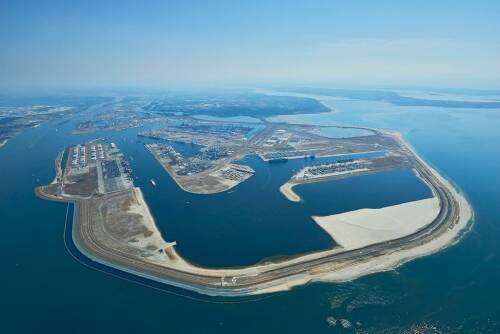
Three years after moving to the WPC, the Gemeentelijke Havenbedrijf (Municipal Port Authority) is corporatised and becomes the Havenbedrijf NV (Port of Rotterdam Authority). The municipality of Rotterdam has been the sole shareholder from the beginning; from 2006, the Dutch state also becomes a shareholder.
2004
Corporatisation of the Port of Rotterdam Authority
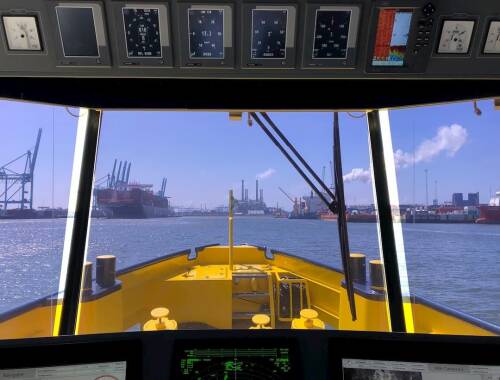
The Port of Rotterdam Authority continues to grow, relocating to the new World Port Center (WPC) at Kop van Zuid in 2001. After the KPN Tower, the WPC becomes the second skyscraper on Wilhelminapier.
2001
Move to the World Port Center
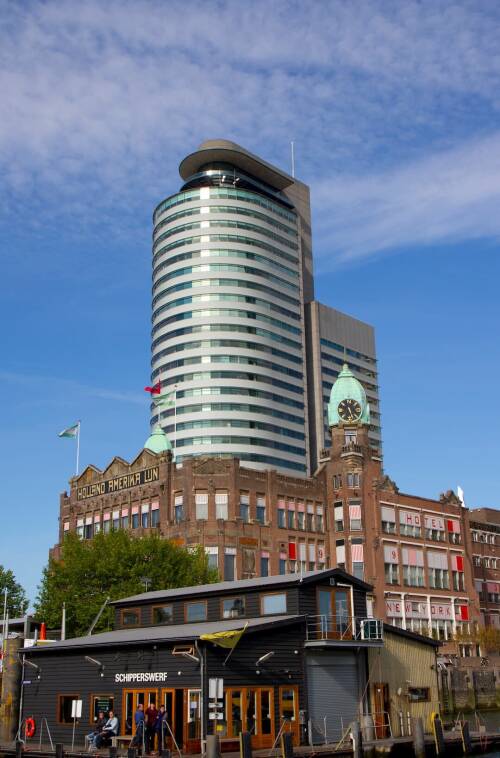
The construction of the Botlek begins in 1954. The area lies west of the Oude Maas, between the River Scheur and the A15 motorway. It is characterised by petrochemical industry, tank storage companies and dry bulk goods storage, as well as shipbuilding, repair and maintenance. Work is completed in 1960.
1954
Start of the construction of the Botlek
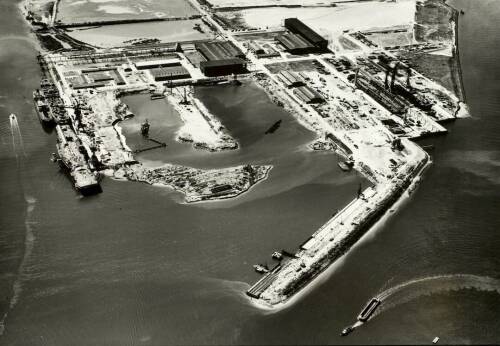
The expansion of the port in the 1950s is not yet complete. Between 1958 and 1964, Europoort is built, extending the port area to the North Sea. The west of the area is dedicated to ore transhipment; the east focuses on cars, steel and wood products.
1958
Start of Europoort construction
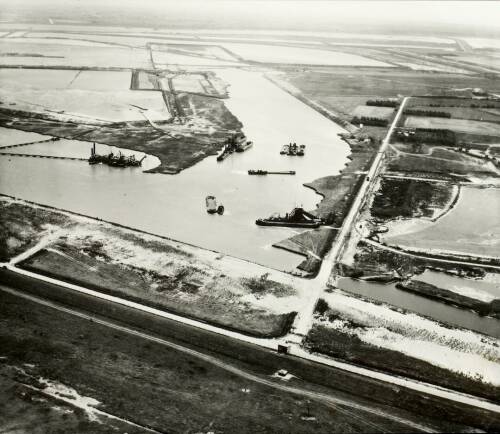
On 3 May 1966, the first container ship, the MS Fairland, enters the port, bringing 226 containers to the port city. It is the first container service between Rotterdam and New York. The largest container ship in 2024 has a capacity of 24,346 TEU (Twenty-foot Equivalent Units).
1966
First container ship in Rotterdam
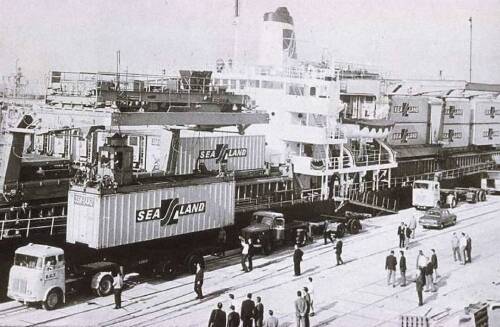
In 1962, Mayor van Walsum declares the port of Rotterdam the world's largest port. That year, 97 million tonnes are transhipped, overtaking rival New York. Rotterdam retains the title until 2004, when Shanghai takes over.
1962
The largest port in the world!
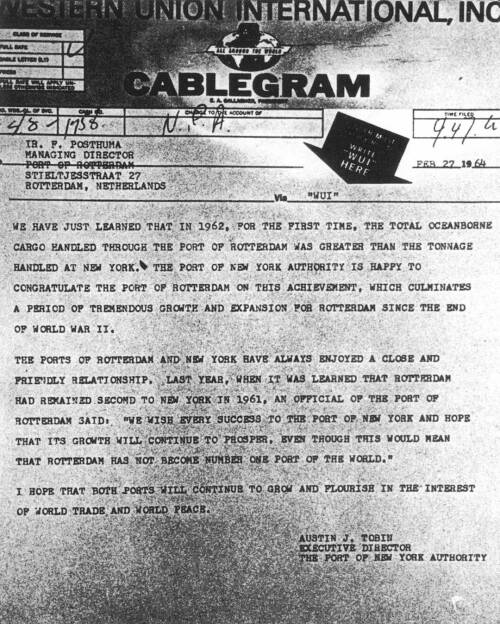
It grows increasingly busy on the river. To assist shipping in fog and poor visibility, seven radar stations open in 1956 along the Nieuwe Waterweg at Hoek van Holland, Rozenburg, Maassluis, the Tankhoofd, Pernis, the Lekhaven and the Charloisse Hoofd. High-profile visit: on 30 November 1956, Prince Bernhard opens the stations.
1956
Commissioning of seven radar stations
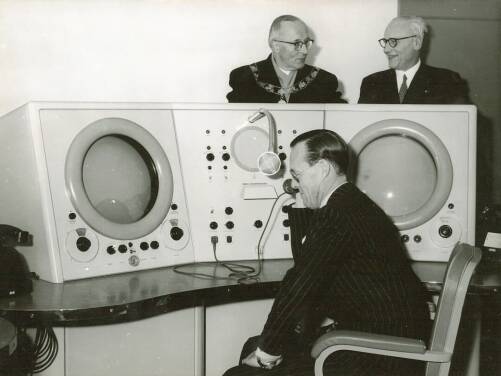
During a bombing raid on 10 May 1940, Waalhaven Airport is completely destroyed. After the war, the airport is not rebuilt but redeveloped as Waalhaven-Zuid industrial site.
1940
Waalhaven Airport
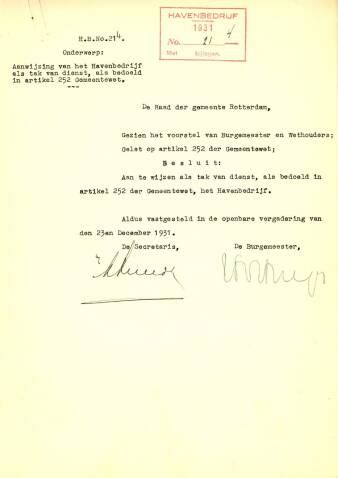
In 1932, the Havenbedrijf der Gemeente Rotterdam is established, succeeding the Gemeentelijke Haveninrichtingen.In the 1980s, the name changes to Gemeentelijk Havenbedrijf Rotterdam (Municipal Port of Rotterdam Authority).
1932
Establishment of the Havenbedrijf der Gemeente Rotterdam (Port Authority of the Municipality of Rotterdam)
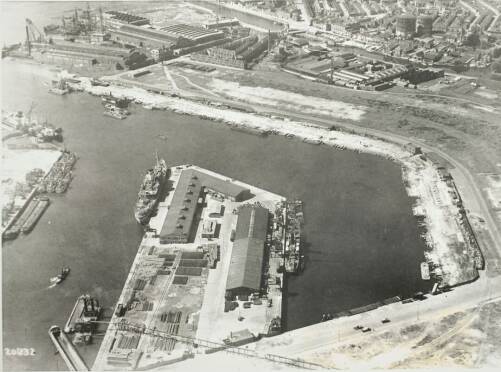
Vessel cargo volumes grow steadily, making a breakbulk port necessary. Between 1927 and 1931, Merwehaven is constructed for this purpose. A harbour complex is designed between the Keilehaven gasworks and the municipality of Schiedam. Merwehaven-Vierhavens on the north bank serves as the base of Rotterdam Fruitport.
1927
Start of construction of the breakbulk port
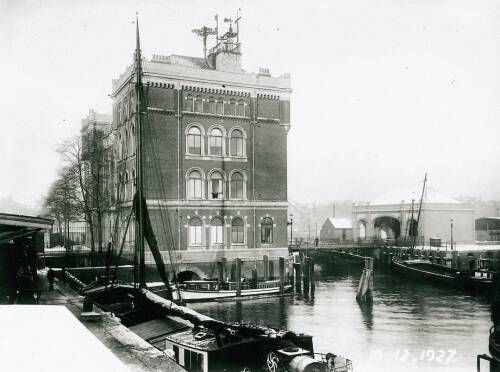
The municipality and the State invest heavily in Rotterdam's Koningshaven, Spoorweghaven and riverbank connections. When the RHV goes bankrupt, the entire area comes under the control of the municipality, leading to the establishment of the predecessor of the Gemeentelijk Havenbedrijf (Municipal Port Authority): the Gemeentelijke Haveninrichtingen.
1882
Establishment of the Gemeentelijke Haveninrichtingen (Municipal Port Facilities)
Businessman Lodewijk Pincoffs, together with banker Marten Mees and others, establishes the Rotterdamsche Handelsvereeniging (Rotterdam Trading Association) in 1872. Under the condition that they may operate the area, they agree with the municipality to invest millions in Feijenoord.
1872
Establishment of the Rotterdamsche Handelsvereeniging ((RHV) Rotterdam Trading Association)
The dam is immediately developed, becoming the vibrant centre in the place that is by now called Rotterdam. The dam is named Hoogstraat. On 7 June 1340, Count William IV of Holland grants the village city rights for the third time, in exchange for payment.
1340
Rotterdam gets city rights
The dam is immediately developed, becoming the vibrant centre in the place that is by now called Rotterdam. The dam is named Hoogstraat. On 7 June 1340, Count William IV of Holland grants the village city rights for the third time, in exchange for payment.
1554
The first harbour master
We start the journey around 1250, when the people settling 'here' build a dam in the small river Rotte. The village that emerges is named Rotte-dam. It proves to be a convenient location for transferring goods from sea-going vessels to smaller riverboats. This marks the beginning of the port of Rotterdam.
ca. 1250
Rotte-dam is built
The port modernises at a fast pace and in 1864 construction begins on the Nieuwe Waterweg, a canal designed by Pieter Caland. The project does not go as planned and it takes until 1886 to meet the required specifications.
1864
Start of the Nieuwe Waterweg construction
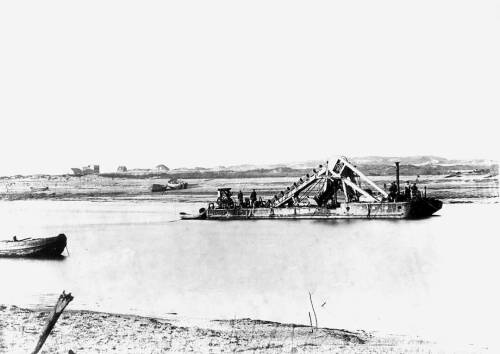
In September 1978, the first World Port Days are organised in the form still familiar today. This event showcases the port to Rotterdam residents. With the Nieuwe Maas as a stage, visitors marvel at the 'parade' of 180 vessels, among other things. What began as a one-day event, Maritiem '78 grows into the Netherlands' largest annual maritime festival, attracting hundreds of thousands of visitors over three full days.
1978
First World Port Days:
Maritime '78
Maritime '78
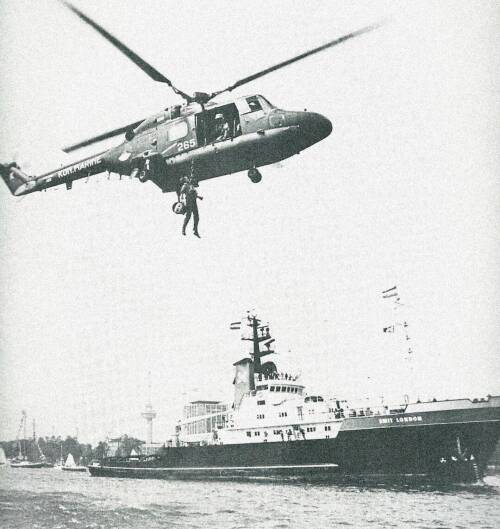
Following the establishment of the Dutch East India Company (VOC), trade and shipping increase rapidly, requiring more ports to be built to accommodate the volumes. In the 17thcentury, Leuvehaven (1604), Wijnhaven (1613), Scheepmakerhaven (1613), Glashaven (1614) and Bierhaven (1614) are built.
1600
Construction of the ports
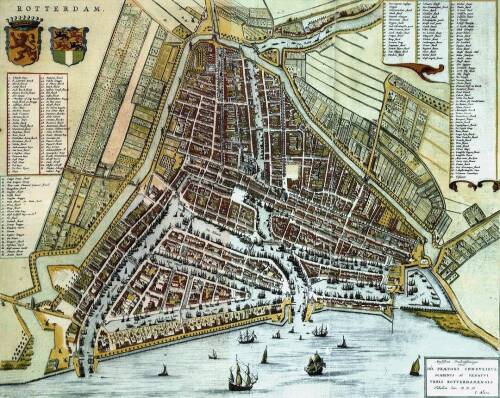
The Port of Rotterdam Authority outgrows the Poortgebouw and relocates to the Europoint Complex (now known as ‘The Lee Towers') in Rotterdam-West in 1977. Seen from the Noordereiland, the Poortgebouw forms the gateway to an area that, from the late 1990s onwards, develops strongly from a port to an urban district.
1977
From the Poortgebouw to the Europoint Complex
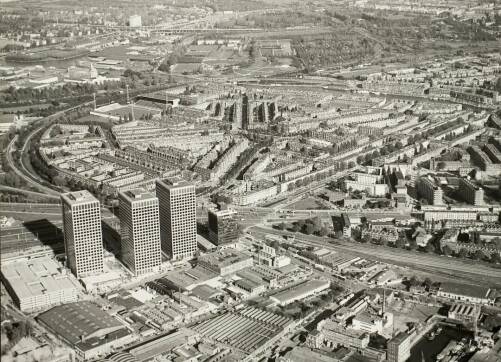
With the arrival of the containers, more space is needed. Reclamation of the Maasvlakte begins in 1969 and the first vessels dock in 1973. The plain lies directly on the North Sea and is some 40 kilometres from Rotterdam city centre.
1969
Start of Maasvlakte construction
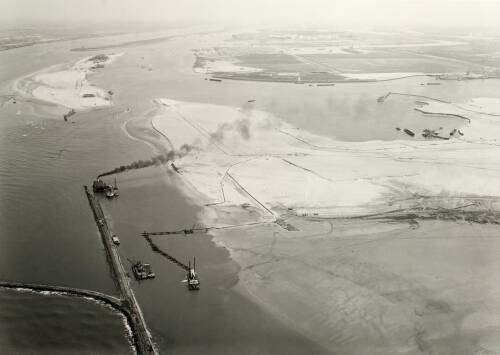
Extensive dredging is carried out in the port to make room for increasingly larger sea-going vessels. The Slufter on the Maasvlakte is commissioned in 1987 to dispose of all contaminated dredged spoil.
1987
Construction of the Slufter